BUFFALO LIBERTY
The N1 US NAVY DECK JACKET “BUFFALO LIBERTY” deck jacket
Limited edition, only 100 jackets available


Discover the story of the "BUFFALO LIBERTY" deck jacket.
A graphic composition with 4 levels of interpretation.
1 - The first level - is the inscription US NAVY on the back of the jacket. This inscription was common to jackets of the American navy.
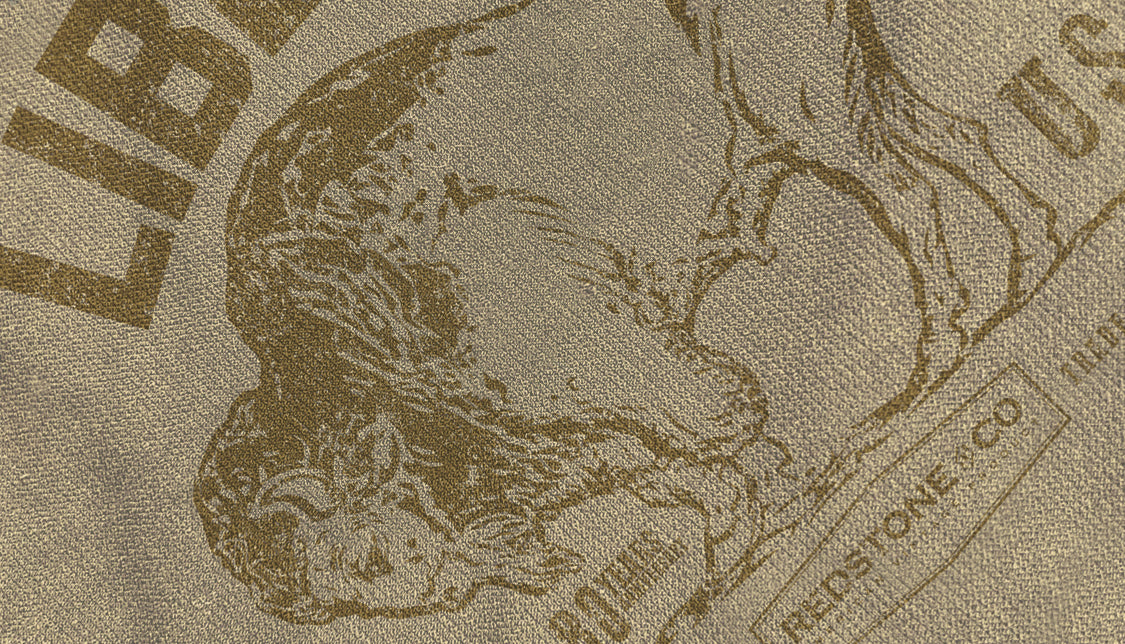
2 - The second level of information is the "ship identification card" to which the jacket was assigned. This deck jacket belongs to the "USS NEVADA":
Its name is "USS NEVADA".
BB-36 is the number of the boat.
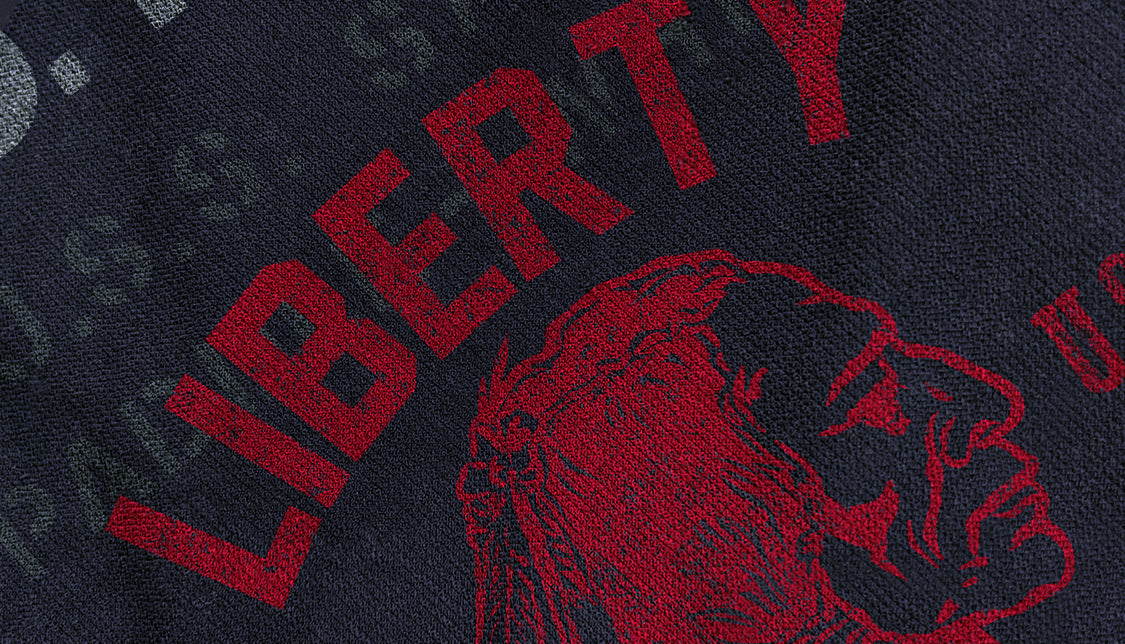
3 - The BUFFALO LIBERTY stamp.
Personalization with a LIBERTY theme, inspired by the 5-cent coin. The American bison was once a symbol of the Great Plains, wide open spaces, and FREEDOM... The bison symbolizes strength, endurance, and nature. It is an enormous animal with exceptional strength. Bison live in herds and protect one another. Relying on others instead of being alone. This is appropriate for the motto "E pluribus unum"—Latin for "Out of many, one" (also translated as "One over many" or "One for many")—a traditional motto of the United States.
Here, in a few words, are the reasons why this play inspired us to AMERICAN-STYLE FREEDOM.
4 - 80 years of regained freedom in FRANCE.
This illustration is a celebration of the 80th anniversary of the liberation of France by the Allied forces. We pay tribute to these courageous men who risked their lives for our freedom and our future.


USS Nevada (BB-36)
The USS Nevada (BB-36) was a battleship of the United States Navy, the second ship to be named after the state of Nevada. It was the first of the Nevada class, with the USS Oklahoma (BB-37) as its sister ship. Launched in 1914, the Nevada introduced a technological breakthrough in battleships. Four of its novel features would later be incorporated into most American battleships: three-gun turrets, geared turbines for increased range, the use of fuel oil instead of coal, and the "all or nothing" armor principle. These features made the Nevada the first "super-dreadnought" of the U.S. Navy.


It served in both World Wars: during the final months of World War I, the Nevada was based in Bantry Bay, Ireland, protecting convoys between the United States and Great Britain. During World War II, it was damaged in the attack on Pearl Harbor, although it was the only battleship to successfully leave its anchorage. After repairs and modernizations, it participated in the recapture of Attu Island in the Aleutian Islands in May 1943, and subsequently escorted Allied convoys in the North Atlantic. It was later used as a gunship during the Normandy and Provence landings, as well as during the battles of Iwo Jima and Okinawa in the Pacific.
At the end of the war, deemed too old to remain in active service, the Nevada was used as a target during nuclear tests at Bikini Atoll in July 1946 (Operation Crossroads). It was subjected to two nuclear explosions but remained afloat despite severe damage and radiation exposure. It was decommissioned on August 29, 1946, and sunk during a live-fire exercise on July 31, 1948.
During the Normandy and Provence landings, the Nevada played a crucial role in supporting assaults and bombarding German positions. In particular, it fought against the "Big Willie" fortress on the Saint-Mandrier peninsula, which was equipped with guns salvaged from the battleship Provence. The Nevada also participated in the capture of Marseille by shelling the Manque artillery battery located on the Frioul Islands.
The Nevada made American naval history as the first battleship to open fire on enemy aircraft during the attack on Pearl Harbor. It was also the only ship to shoot down an aircraft with its secondary battery during that attack. Its participation in these historic events secured its place in the annals of American naval history.