USS QUEENFISH
US Navy Deck Jacket N1 "USS Queenfish"
Limited edition of only 50 jackets


Discover the history of the American military deck jacket USS QUEENFISH .
Our American military jacket is directly inspired by a legend of the depths of World War II: the famous submarine USS Queenfish . Operating in the vastness of the Pacific, the USS Queenfish carried out many decisive missions against the Imperial Japanese Navy, actively participating in offensive patrols and rescue operations for Allied prisoners of war.
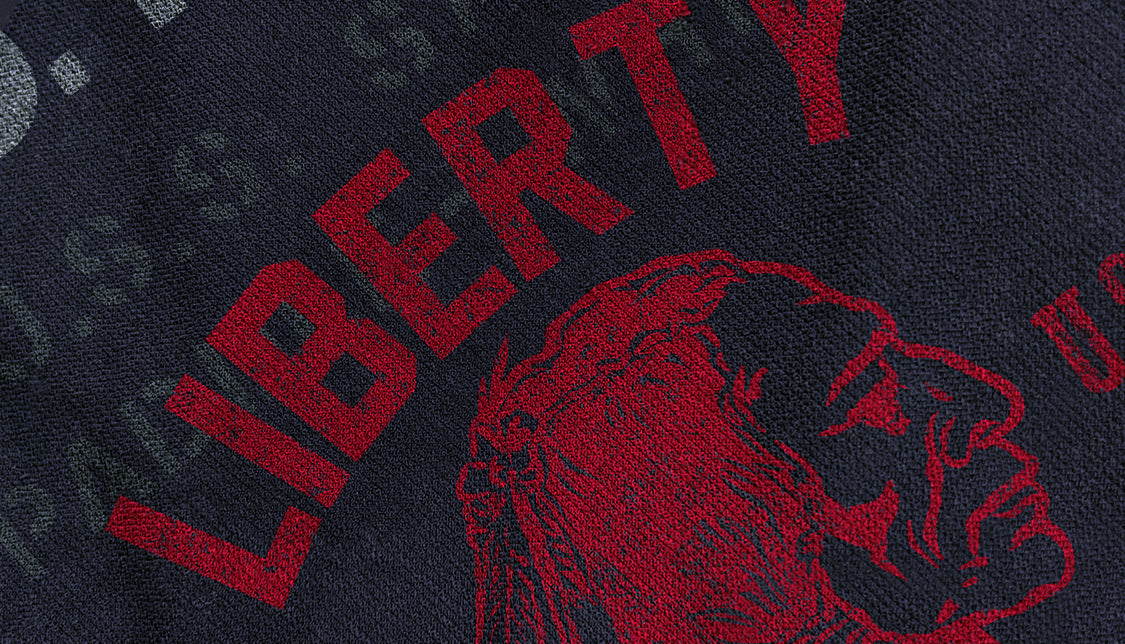
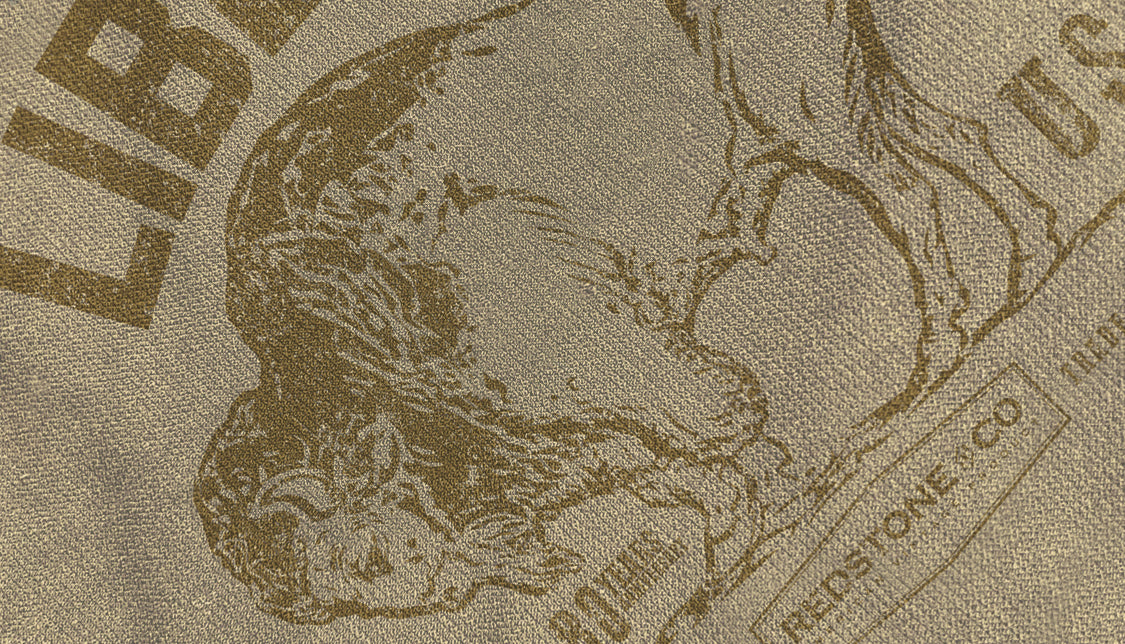
A symbol of its fighting spirit and adventure, the USS Queenfish sported an unforgettable mascot: a daring mermaid holding a torpedo. This icon, both light and fierce, perfectly represented the audacity of American submarine crews during the conflict. Today, we have chosen to revive this heritage on our American military jacket .


To create this unique American military jacket , we took the original image of the USS Queenfish's siren and reinterpreted it in an old-school Hawaiian tattoo style. The illustration retains the vintage spirit of tattooed Pacific sailors, while adding graphic influences typical of the Hawaiian Islands, where many submarines made port calls before their dangerous missions.
This American military jacket is more than just a garment: it's a piece of living history, a nod to American naval traditions, the courage of submariners, and the art of 1940s marine tattoos. Every detail of this creation tells a story of adventure, brotherhood, and bravery under the Pacific stars.


Commissioned in March 1944, the USS Queenfish (SS-393) was one of the most effective American submarines operating in the Pacific during World War II. From its very first patrol, the Queenfish distinguished itself through its daring and effectiveness in submarine warfare missions.
Under the command of Captain Charles E. Loughlin, the USS Queenfish conducted five war patrols between 1944 and 1945. Its operations were concentrated primarily in the East China Sea and Japanese waters, where it waged aggressive warfare against enemy convoys. The Queenfish is credited with the destruction of several Japanese merchant and military vessels, significantly contributing to crippling Japanese maritime logistics.
During its first patrol in August 1944, in cooperation with other American submarines in a "wolfpack," the Queenfish sank several Japanese transport ships. Among its exploits, the sinking of the Awa Maru stands out, a protected vessel supposedly carrying humanitarian supplies but suspected of also transporting strategic equipment—an affair that created a heated controversy.
The USS Queenfish also distinguished itself through its rescue missions: in September 1944, it participated in the rescue of Allied prisoners of war evacuated from the Philippines, showing that its crew excelled not only in combat, but also in humanitarian operations under high tension.
In recognition of its exceptional service, the Queenfish received six Battle Stars for its campaigns in the Pacific. Its record of ships sunk places it among the most formidable submarines in the American fleet.
After the war, the Queenfish continued to serve for a few years before finally being decommissioned. Nevertheless, its name and exploits remain etched in the history of American submarine warfare.


"FORGET ME NOT": a powerful symbol among sailors
Among the most poignant tattoos worn by American sailors in the early 20th century, the inscription "FORGET ME NOT" held a special place. Etched onto the skin before a long voyage or before engaging in combat, this simple yet powerful message was a silent plea to loved ones left behind on land.
In the world of tattooed sailors, "FORGET ME NOT" symbolized the hope of remaining present in the hearts of those they left behind. Often accompanied by motifs such as flowers (notably the "forget-me-not" flower), anchors, or hearts, this tattoo served as a reminder that despite the oceans, despite the war, the bond with family, love, or brothers-in-arms should never be broken.
Bearing a great sensitivity, "FORGET ME NOT" was one of those traditional marine tattoos that were at once personal, poetic and universal, deeply rooted in the culture of the sea and long separations.