INDIAN LIBERTY TANKISTE
The “INDIAN LIBERTY” tank jacket
Limited edition, only 100 jackets available


Discover the story of the "INDIAN LIBERTY" tank jacket.
INDIAN LIBERTY
US Army Tanker Jacket - Brown/Khaki - Custom Back
Beige/green jacket with green knitted trim and a felt lining: this winter jacket is a reproduction of the famous "tanker jacket" worn by US Army soldiers and popularized by members of armored units. This version is the second type, recognizable by the front pockets. It features knitted trim at the cuffs and waist, two pockets, and a zip closure.
BROWN / KHAKI.
We offer you this reproduction of the "US ARMY tanker jacket" from the Second World War.
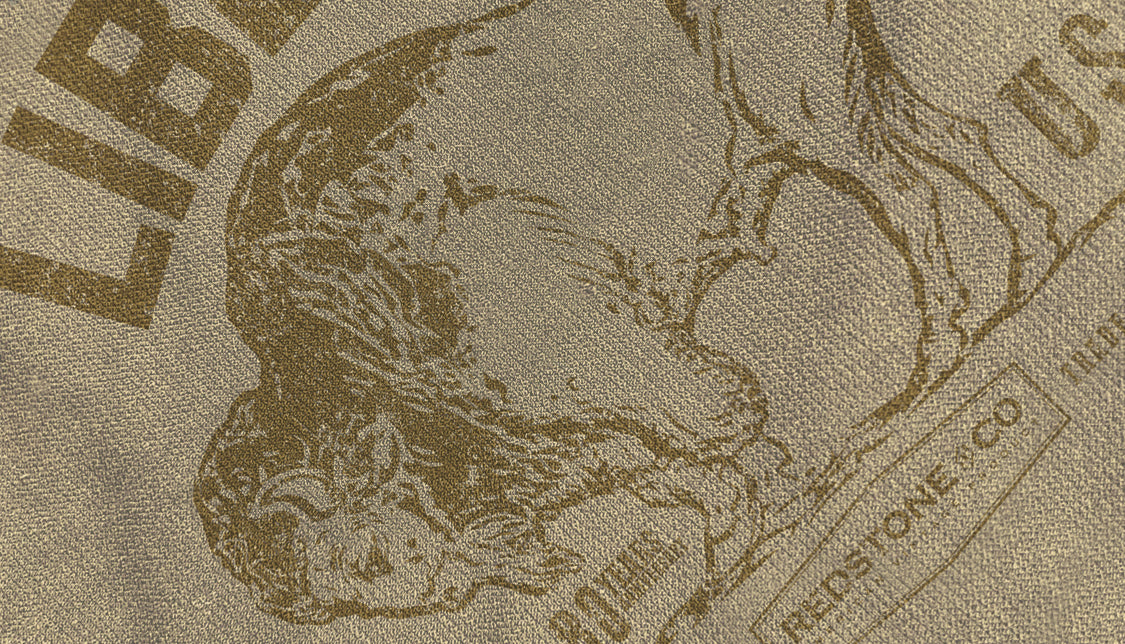
The back of this version is customized.


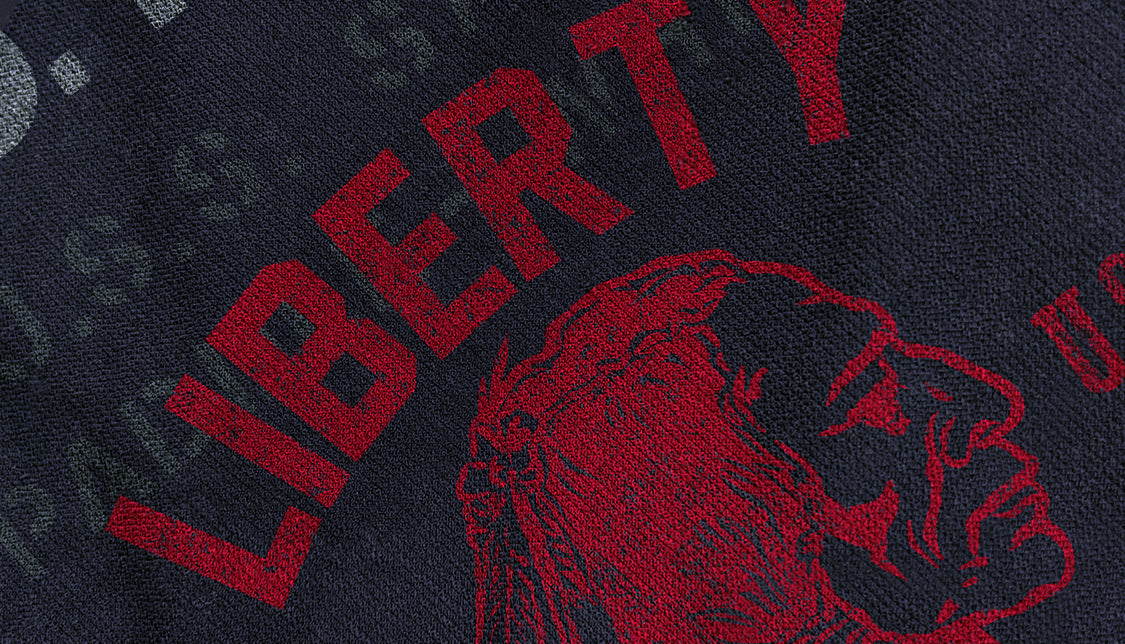
The obverse of the Buffalo 5-cent coin is a true work of art, a powerful symbol of freedom and authenticity. This iconic depiction of a Native American head, meticulously sculpted, embodies the courage, dignity, and resilience of the Indigenous peoples of America.
Illustration that Inspires Freedom
At first glance, the portrait of the Native American captivates with its intensity and depth. The expressive features, the proud gaze, and the traditional adornments—particularly the finely detailed headdress—evoke ancestral heritage and the relentless struggle for freedom. This illustration does more than simply depict a face; it evokes the indomitable spirit of a people who, despite hardship, have preserved their identity and honor. By wearing this image, one rediscovers a timeless message of empowerment and respect for fundamental human values.
The Artist's Story: James Earle Fraser
The genesis of this remarkable work is attributed to the talent of James Earle Fraser, a renowned American sculptor. Passionate about Native American history and culture, Fraser dedicated himself to capturing the essence of the Native American in all its nobility and complexity. His artistic approach, blending precision and sensitivity, resulted in an image that transcends a simple portrait. By incorporating authentic elements of Indigenous cultures into his design, he offered the public a respectful and inspiring representation of the Native American soul. Thanks to his work, the "Buffalo" sculpture has become not only a collector's item but also a visual testament to the heritage and values of a people striving for recognition and freedom.
The Heritage of the Indian Represented
The Native American figure on the coin is more than just a historical figure; he has become a symbol of identity, resilience, and enduring hope. His image, imbued with wisdom and strength, embodies past struggles and the unwavering will to preserve freedom in the face of adversity. This representation reminds us that every culture, every individual story, contributes to weaving the rich fabric of our shared heritage. The Native American on the "Buffalo" coin embodies the memory of a proud people, capable of transcending time to inspire future generations to defend justice and independence.
In short, the obverse of the Buffalo five-cent coin is an artistic and historical tribute that celebrates the freedom and dignity of Indigenous peoples. Thanks to the genius of James Earle Fraser, this illustration remains a powerful message of respect, resilience, and hope, inviting everyone to remember the essential values that forge our collective identity.


The Native American depicted on this coin, the emblem of Buffalo Nickel, embodies the strength, dignity, and richness of an ancestral culture. Designed by the talented sculptor James Earle Fraser, this portrait is not the image of a specific chief, but a universal representation of the Indigenous peoples of America. His piercing gaze and proud posture bear witness to a long history of resistance, struggle, and the preservation of traditions.
This meticulously crafted face reflects the sacred bond between humankind and nature, a symbol of freedom and connection to the land. The exquisite detail in the headdress, its traditional ornaments, and the features marked by experience invite contemplation on the identity and spirituality of Indigenous peoples. The Indigenous figure on this piece is thus far more than a simple artistic representation: it evokes courage and resilience in the face of historical adversity, while also reminding us of the importance of preserving a rich and diverse cultural heritage.
Looking at this work, one cannot help but feel the call for freedom. The serene yet determined face embodies the hope for a future where the diversity of cultures is celebrated. This symbol continues to inspire, reminding us that the struggle for the respect of rights and the recognition of Indigenous peoples remains an ever-present quest. Through this portrait, Fraser has paid tribute to the indomitable spirit of a people, while inscribing in history a timeless message about the beauty of difference and the importance of freedom.