SEABEES
The N1 US NAVY DECK JACKET “SEABEES” deck jacket
Limited edition, only 100 jackets available


Discover the story of the "SEABEES" deck jacket.
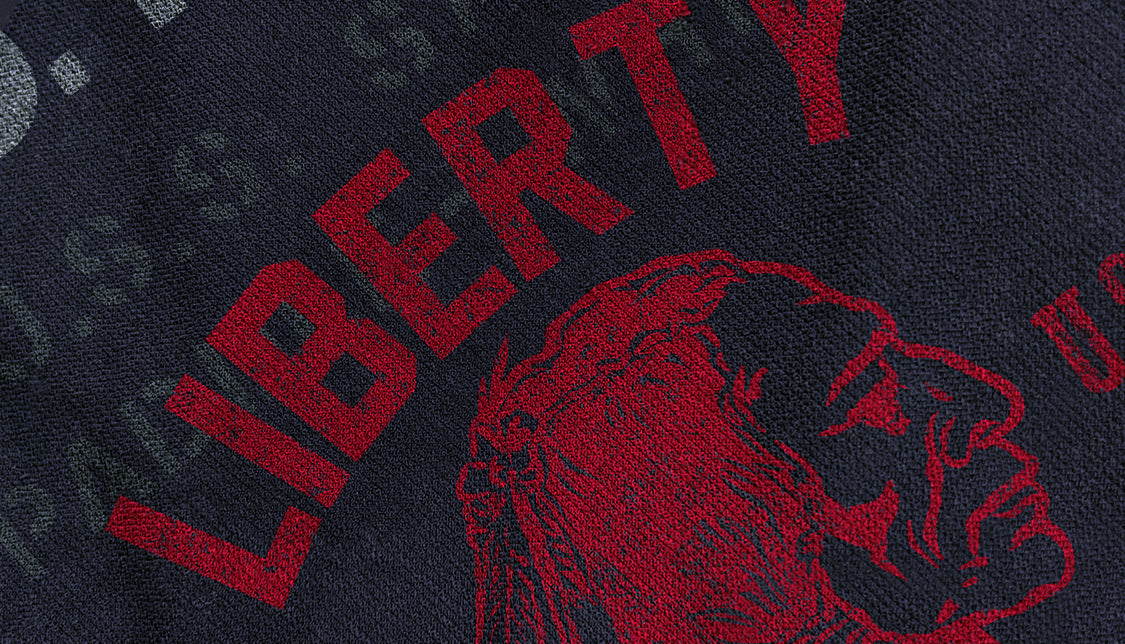
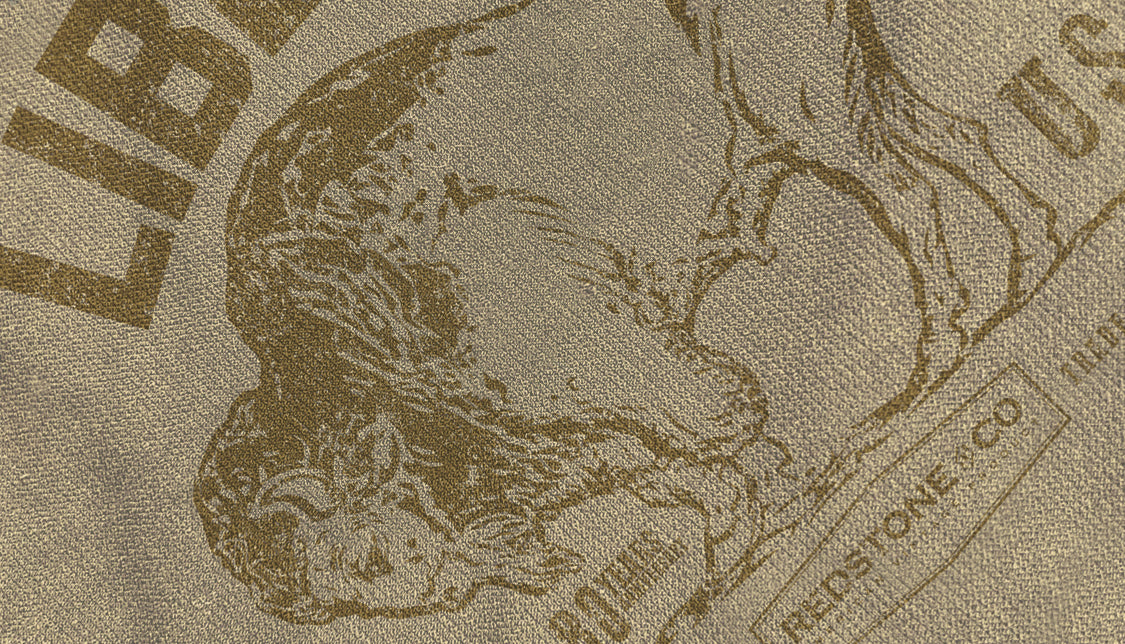
1 - The first level - is the US NAVY inscription on the back of the jacket. This inscription was common to US Navy jackets, and especially on "early model" jackets.
2 - The second level of reading is the reproduction of the famous SEABEES mascot - 1940 model.
SEABEES


The United States Naval Construction Battalions, better known as Navy Seabees, comprise the U.S. Naval Construction Force (NCF). The nickname Seabee is a heterograph of the initial letters "CB" in "Construction Battalion." Depending on the context, "Seabee" can refer to all personnel of the Naval Construction Force (NCF) or to a construction battalion. Seabees serve under the command of the fleet commanders of the Atlantic and Pacific surface naval forces, as well as at numerous U.S. Naval Works bases and diving commands.
The shipbuilding battalions were designed to replace civilian construction companies in combat zones after the attack on Pearl Harbor. At the time, civilian contractors numbered around 70,000 men working under contract with the US Navy overseas. International law prohibited civilian workers from resisting attack. Doing so would classify them as guerrillas and could lead to summary execution.
The Seabees: capable of working anywhere, in any conditions or circumstances. They have a long history of creative ingenuity in the field, stretching from Normandy and Okinawa to Iraq and Afghanistan. Admiral Ernest King wrote to the Seabees on their second anniversary: "Your ingenuity and courage have become a legend in the Naval Service." They were unique in their design and remain unchanged from Admiral Moreell's pattern today. In the October 1944 issue of Flying magazine, the Seabees are described as "a phenomenon of the Second World War."
The role of the Seabees during the Second World War
The Seabees played a crucial role in the Pacific War by constructing bases, airstrips, ports, and other infrastructure essential to the success of the Allied forces. They were active in major theaters such as Guadalcanal, Iwo Jima, and Okinawa, often under enemy fire. Their unofficial motto, "We Build, We Fight," aptly illustrates their dual role as engineers and combatants.
In the Pacific :
The Seabees built countless airstrips, including on strategic islands like Tarawa, Saipan and Tinian, where they established the departure base for B-29 bombers for raids on Japan.
They erected hospitals, warehouses, barracks, and supply depots in record time, enabling American forces to conduct prolonged offensives.
Their work on floating docks and landing ports facilitated the transport of equipment and troops.
In Europe :
Less known for their participation in Europe, the Seabees played a key role in the construction of the Mulberry artificial harbors used during the Normandy landings.
They contributed to the construction of air bases in England and North Africa, essential for supplying and planning Allied operations.
The legacy of the Seabees
After the war, the Seabees continued to play a vital role in conflicts and humanitarian missions, notably during the Korean War, the Vietnam War, and more recently in Iraq and Afghanistan. Their ability to rapidly deploy to disaster areas has made them an invaluable asset to the US Navy and the American armed forces.
Even today, the Seabees perpetuate their tradition of courage, dedication and ingenuity, illustrating their historic motto: Can Do !
SEABEES