OVERLORD
The "OVERLORD" tanker jacket
Limited edition, only 100 jackets available


Discover the story of the "OVERLORD" tanker jacket.
OVERLORD
US Army Tanker Jacket - Brown/Khaki - Custom Back
Beige/green jacket with green knitted trim and a felt lining: this winter jacket is a reproduction of the famous "tanker jacket" worn by US Army soldiers and popularized by members of armored units. This version is the second type, recognizable by the front pockets. It features knitted trim at the cuffs and waist, two pockets, and a zip closure.
BROWN / KHAKI.
We offer you this reproduction of the "US ARMY tanker jacket" from the Second World War.
The back of this version is customized.


Our OVERLORD jacket is more than just a garment: it's a living tribute to the men who, during the Normandy landings, sacrificed everything so that our freedom could be reborn. Designed to commemorate the 80th anniversary of this historic operation, this tanker jacket embodies the grandeur of OVERLORD, the largest military operation ever undertaken.
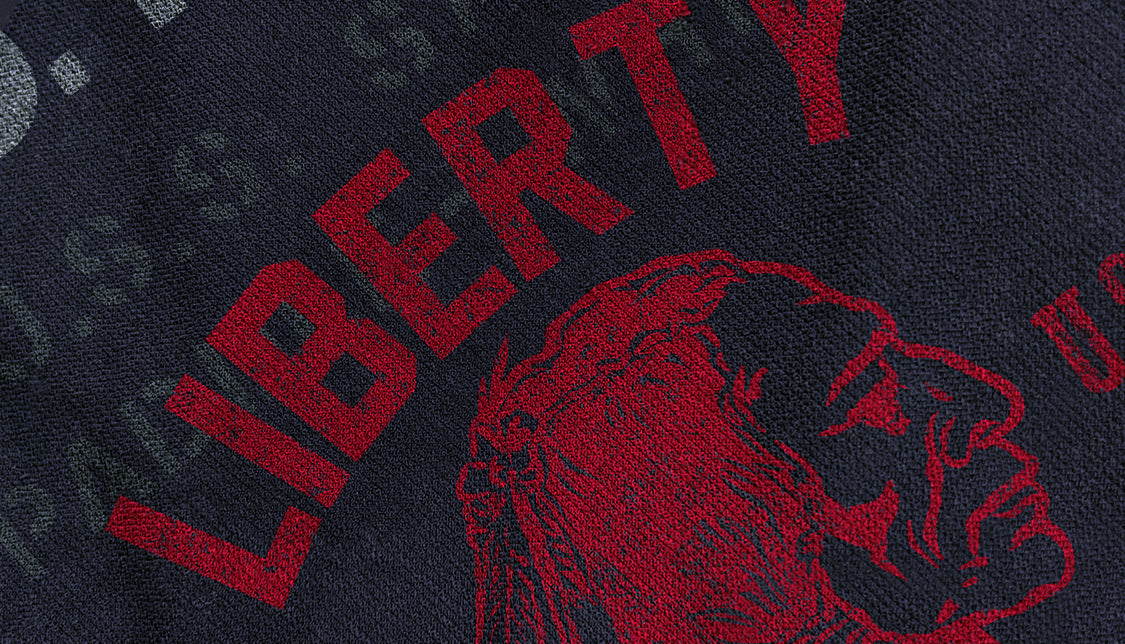
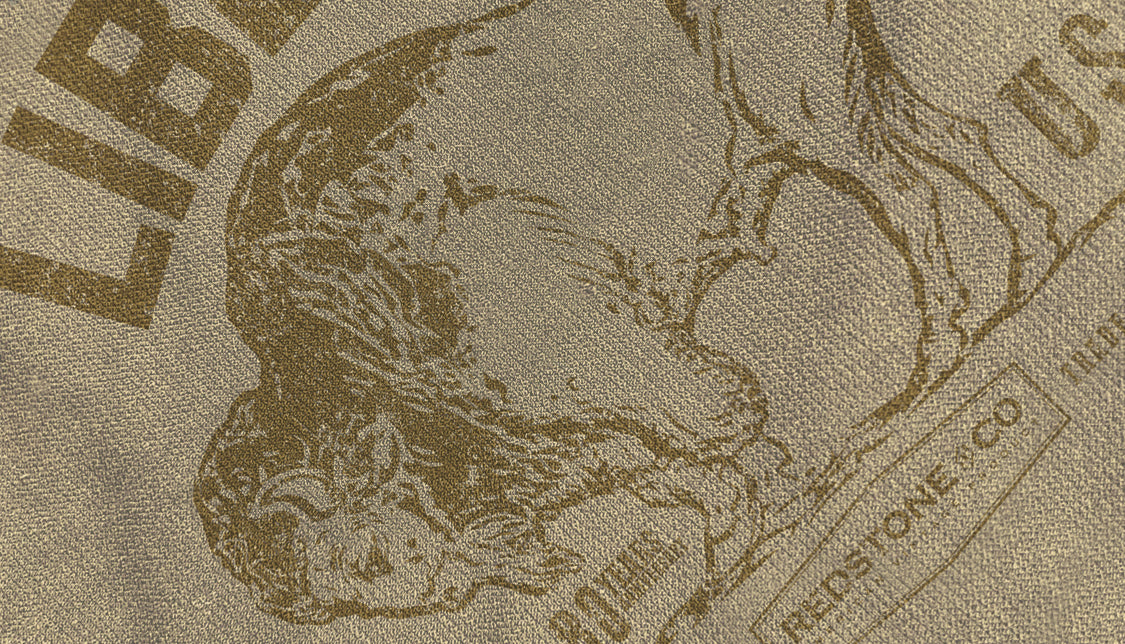
From the first glance, the captivating illustration draws the eye. Inspired by the obverse of the five-dollar coin, it elegantly reinterprets military imagery and evokes the legacy of those who fought for a common ideal. The details are equally striking: the names of the D-Day landing beaches—Utah Beach, Omaha Beach, Gold Beach, Juno Beach, and Sword Beach—are inscribed on the meticulously engraved feathers of the Native American head, each symbolizing the courage and sacrifice of the soldiers.
The inscription "In Memory" stands proudly on the jacket, accompanied by "80 Years Anniversary," a symbol of an enduring memory and a commitment never to be forgotten. The names of the countries that joined forces—the United States, England, Canada, Australia, New Zealand, and the Free French Forces—complete this precious testament to fraternity and international solidarity.


Wearing this jacket is to embrace history and celebrate the heroism of those who paved the way for regained freedom. It is an invitation to remember, honor, and pass on the invaluable worth of courage, commitment, and brotherhood.
Operation Overlord is one of the major episodes of the Second World War and remains a powerful symbol of the liberation of Europe. Launched on June 6, 1944, this large-scale military operation marked history with the courage and sacrifice of thousands of Allied soldiers who faced extreme conditions to defeat the Nazi regime.
History and Context
Meticulously planned, Operation Overlord aimed to establish a second front in Western Europe. The Allied forces, comprising the United States, the United Kingdom, Canada, Australia, New Zealand, and the Free French Forces, joined forces to carry out this landing on the beaches of Normandy. Each of the five beaches—Utah, Omaha, Gold, Juno, and Sword—was the scene of intense fighting and immeasurable sacrifices. Operation Overlord thus represents a pivotal moment where collective determination and the spirit of international brotherhood enabled the enemy to be repelled.


Strategic and Military Stakes
The success of Operation Overlord was the result of exemplary strategic coordination between the various Allied commands. The rigorous preparation and daring execution of the landings established a solid beachhead in Normandy, paving the way for the gradual liberation of Europe. This pivotal moment in military history not only altered the course of the war but also demonstrated the importance of unity and teamwork in major military operations.
Heritage and Memory
Today, OVERLORD is much more than a historical term; it embodies the spirit of resistance, freedom, and restored peace. Monuments, commemorative ceremonies, and dedicated works recall each year the exemplary courage of the soldiers who took part in this historic landing. Operation OVERLORD remains a powerful message in favor of international solidarity and the defense of democratic values.
In short, Operation OVERLORD represents a cornerstone of contemporary history. Its study and commemoration not only allow us to pay tribute to the heroes of 1944, but also to teach future generations the lessons of courage, sacrifice, and unity that made it possible to build a free and united world.