FELIX THE CAT - SARATOGA
The N1 US NAVY DECK JACKET "FELIX THE CAT - SARATOGA" deck jacket
Limited edition, only 100 jackets available


Discover the story behind the "FELIX THE CAT - SARATOGA" deck jacket.
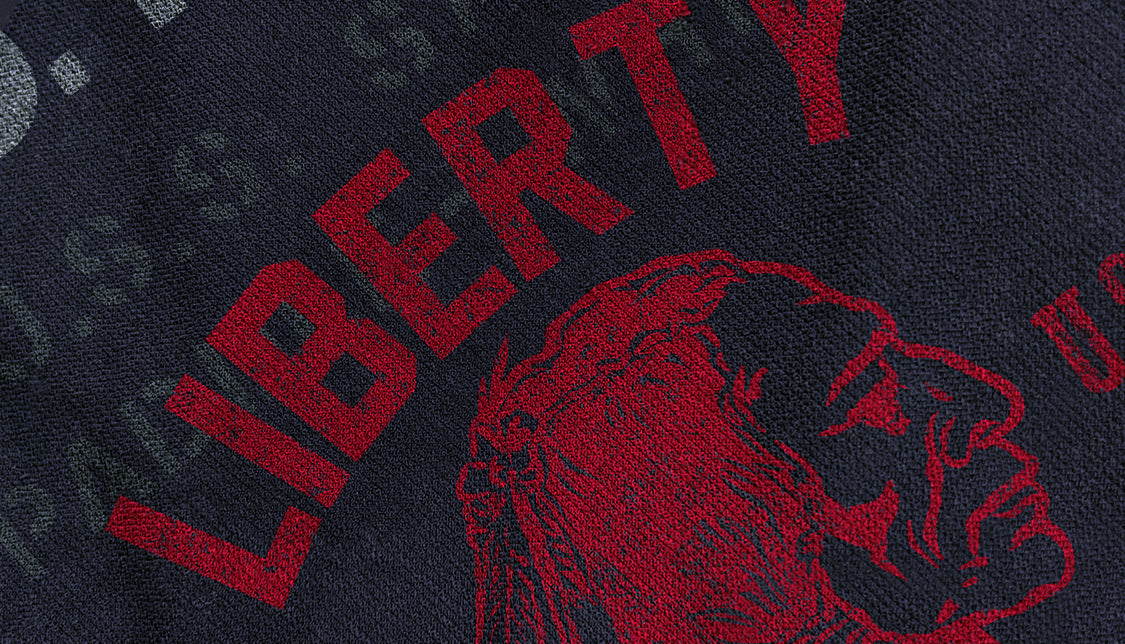
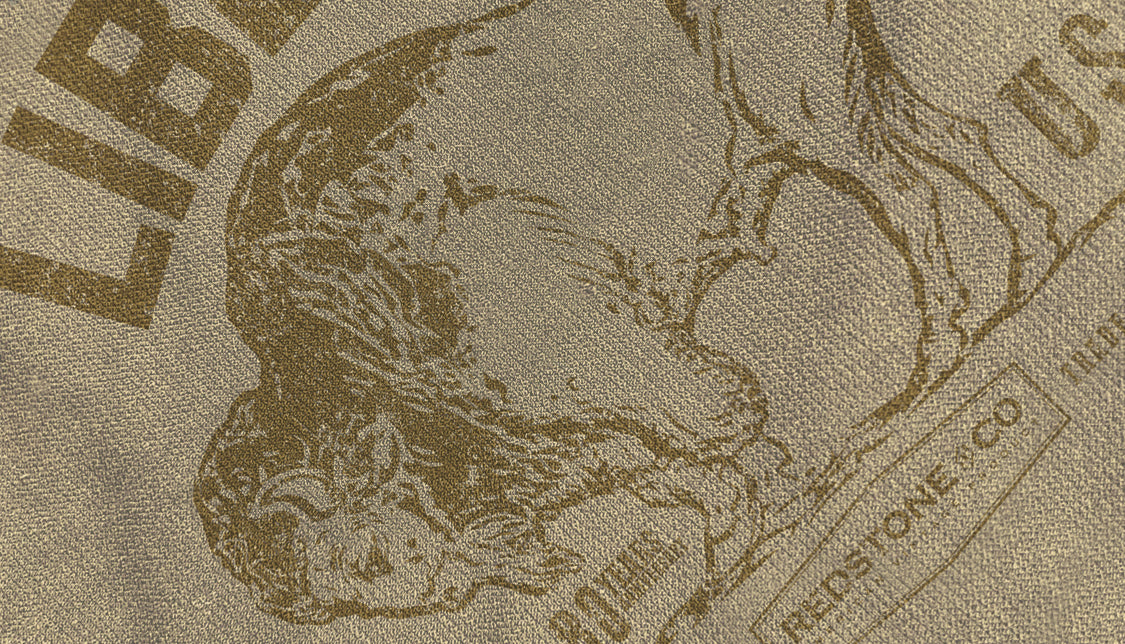
A graphic composition with two levels of interpretation.
1 - The first level - is the inscription US NAVY on the back of the jacket. This inscription was common to US Navy jackets, and especially on the "early model" Dark Blue jackets.
2 - The second level of information is the "ship identification card" to which the jacket was assigned. This deck jacket belongs to the "USS SARATOGA":
Its name is "USS SARATOGA".
Boat number "CV-3".
Felix the Cat


Felix the Cat, a cartoon character, was created in 1919 by Pat Sullivan and Otto Messmer during the silent film era. He is a young black cat with anthropomorphic features, including white eyes, a black body, and a giant smile. He is widely recognized as one of the most iconic cartoon characters in film history and was the first fully animated animal character in American animation.
Because of Felix's exceptional popularity and the fact that his name evokes happiness in Latin, many notable people and organizations adopted him as a mascot. The first of these was Winslow B. Felix, a Chevrolet dealer in Los Angeles and friend of Pat Sullivan, who opened his showroom in 1921. Felix Chevrolet's neon sign, featuring the giant, smiling image of the character, is now an iconic Los Angeles landmark, overlooking Figueroa Street and the Harbor Freeway. Other famous supporters of Felix include the New York Yankees in 1922 and pilot and actress Ruth Elder, who took a Felix doll with her in her attempt to become the first woman to fly solo across the Atlantic, as Charles Lindbergh had done.
Felix's popularity endured, and in the late 1920s, the U.S. Navy's Bombing Squadron Two (VB-2B) adopted a unit insignia depicting Felix cheerfully holding a lit bomb. This insignia remained in use until the 1930s, when the squadron became a fighter squadron under the designations VF-6B and later VF-3. Members of this squadron, such as Edward O'Hare and John Thach, went on to become celebrated naval aviators during World War II.
After the war, a US Navy fighter squadron, currently designated VFA-31a, adopted the same insignia after the disbandment of the original Felix Squadron. This squadron, nicknamed the "Tomcatters," is carrier-based and has remained active under various designations to this day, still displaying the image of Felix holding his bomb with the fuse lit on the patches on their fabric jackets and on their aircraft.
VF-3 Squadron


March 29, 1940. Lieutenant John S. Thatch rolled this F2A-1 nose-first over 'Saratoga' (CV-3).
Lieutenant Commander Thach and VF-3 flew from the USS Saratoga at the start of World War II and were deployed on the USS Yorktown during the Battle of Midway in June 1942.


During World War II, VF-3 was deployed aboard the USS Saratoga, USS Lexington, and USS Yorktown until the Battle of Midway. Lieutenant Commander John Thach was the squadron's commanding officer in 1942. In July 1943, VF-3 and VF-6 swapped designations, leading to a three-year controversy over which squadron had the right to use the name and emblem of Felix the Cat. Finally, on November 15, 1946, VF-3 was redesignated VF-3A and received formal approval from the Chief of Naval Operations to adopt Felix the Cat as its emblem.
USS-SARATOGA


The USS Saratoga (CV-3) was a Lexington-class aircraft carrier built for the United States Navy in the 1920s. Originally designed as a battlecruiser, it was converted into one of the Navy's first aircraft carriers to comply with the 1922 Washington Naval Treaty. The ship entered service in 1928 and served with the Pacific Fleet throughout its career. Along with its sister ship, the Lexington, the Saratoga was used to develop and refine carrier tactics during a series of annual exercises prior to the outbreak of World War II.
On several occasions during these exercises, successful surprise attacks were carried out on Pearl Harbor in Hawaii. The Saratoga was one of three aircraft carriers in the pre-war US fleet, along with the Enterprise and the Ranger, that served throughout World War II.
Shortly after the Japanese attack on Pearl Harbor, the Saratoga played a pivotal role in the unsuccessful Wake Island relief effort and was torpedoed by a Japanese U-boat a few weeks later. Following extensive repairs, the ship supported forces engaged in the Guadalcanal Campaign, during which its aircraft sank the light aircraft carrier Ryūjō in the Battle of the Eastern Solomons in August 1942. However, it was torpedoed again the following month but returned to the Solomon Islands area after further repairs.
In 1943, the Saratoga provided valuable support to Allied forces engaged in the New Georgia Campaign and the invasion of Bougainville in the northern Solomon Islands. Its aircraft also attacked the Japanese base at Rabaul twice in November. In early 1944, its aircraft provided air support during the Gilbert and Marshall Islands Campaign before being redeployed to the Indian Ocean for several months to support the British Eastern Fleet in its operations against Java and Sumatra. After a brief refit in 1944, the ship was converted into a training carrier, with parts of its hangar being converted into classrooms. The Saratoga continued in this role until the end of the war.