COAST GUARD Number 6
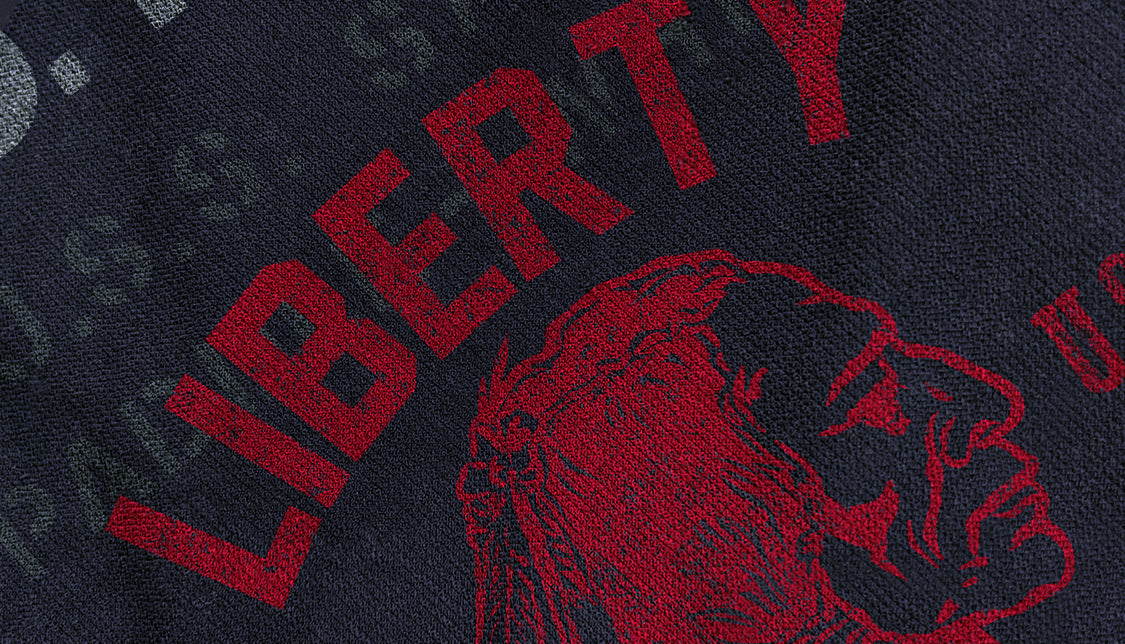
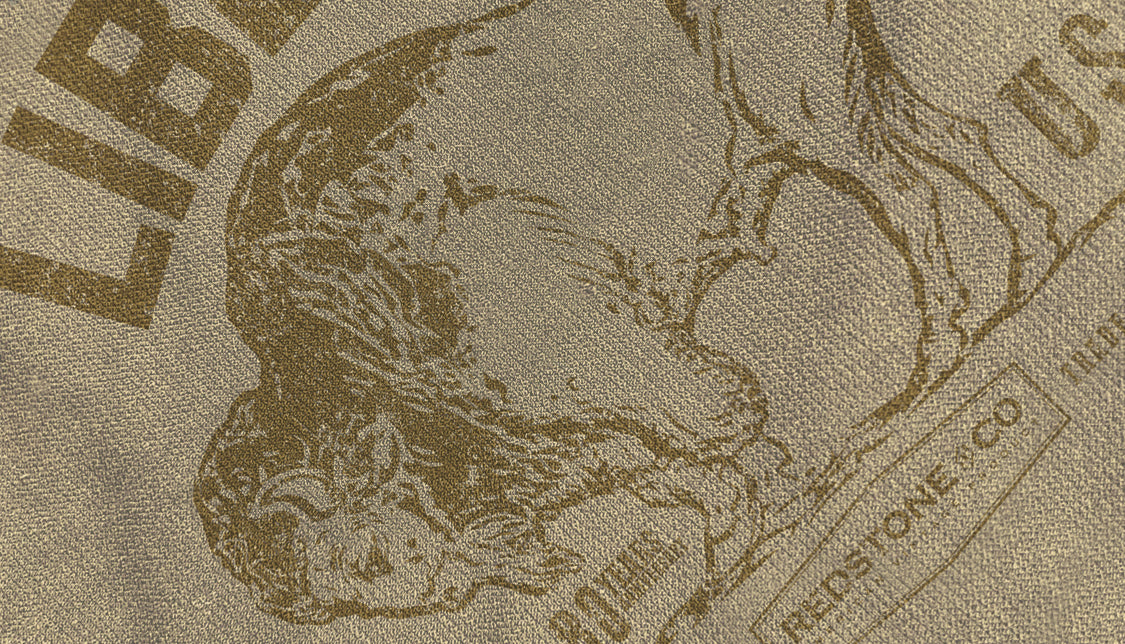
The US COAST GUARD "SKULL NUMBER 6" deck jacket
Limited edition of only 50 jackets


Discover the history of the "US NAVY COAST GUARD" deck jacket.
These sailors from the Coast Guard rescue boat Number 6 painted the symbol of piracy on their helmets, a paradox given their missions. rescue operations carried out by the Coast Guard. Redstone and Co revisits this page of history with its hook-and-loop deck jacket.
A Coast Guards (6th) crew off Omaha Beach. The men wear skull and crossbones insignia on their helmets. Photo credit: USCG. Hook-and-loop deck jacket. HOOK DECK JACKET - US COAST GUARD. New collection from redstoneandco, limited and numbered edition of only 50 jackets. Jacket made of "Jungle Cloth," a material with military heritage from the US Army and US Navy. Available exclusively on the Redstoneandco e-commerce site.
The historic Jolly Roger flag hoisted above a U.S. Coast Guard "pirate" ship during the Normandy landings.
72 years later
The flag was used by a rescue boat off Omaha Beach on D-Day. It was put up for auction and its value is estimated at 1,500 pounds sterling.
British submarines traditionally flew pirate flags after the First World War.
It is unclear what place he occupied on the American ship, but it could be a lucky charm.


A Jolly Roger flag that flew on an American ship on D-Day has resurfaced 72 years later and is now going up for sale.
The skull and crossbones was hoisted above a Coast Guard vessel that rescued soldiers who fell into the water off Omaha Beach during the D-Day landings on June 6, 1944, which cost the lives of 2,000 of them.
It was traditional for Royal Navy submarine crews to have a Jolly Roger on board, after the First Lord of the Admiralty referred to submarine warfare as "piracy" during the First World War.
C&T/BNPS
A Jolly Roger flag that adorned an American ship on D-Day has resurfaced 72 years later.
It is not known why the crew of the U.S. Coast Guard boat had one, but it is likely that it was a flag.
It is not known why the crew of the U.S. Coast Guard vessel possessed one, but it is likely that it was used as a good luck charm.


Matthew Tredwin, of C&T Auctions in Ashford, Kent, said: "The seller has had it for 10 years and got it from another collector who had it for about 30 years.
Unfortunately, we don't know exactly who it belonged to or why it was made. I can only assume it was a good luck charm for the coast guard crew.
The skull and crossbones has long been used in the navy as an unofficial insignia and this could be the case here.
In addition to flying alongside the Star-Spangled Banner, the Jolly Roger was also painted on the ship.
I found it in a storeroom at the seller's house in North Yorkshire.
It is in very good condition but was crudely made using several pieces of fabric.
This is a truly unique item, and anything related to the wedding day can become highly sought after.