B-15 Aviator Jacket: The Evolution of the Fabric Pilot Jacket
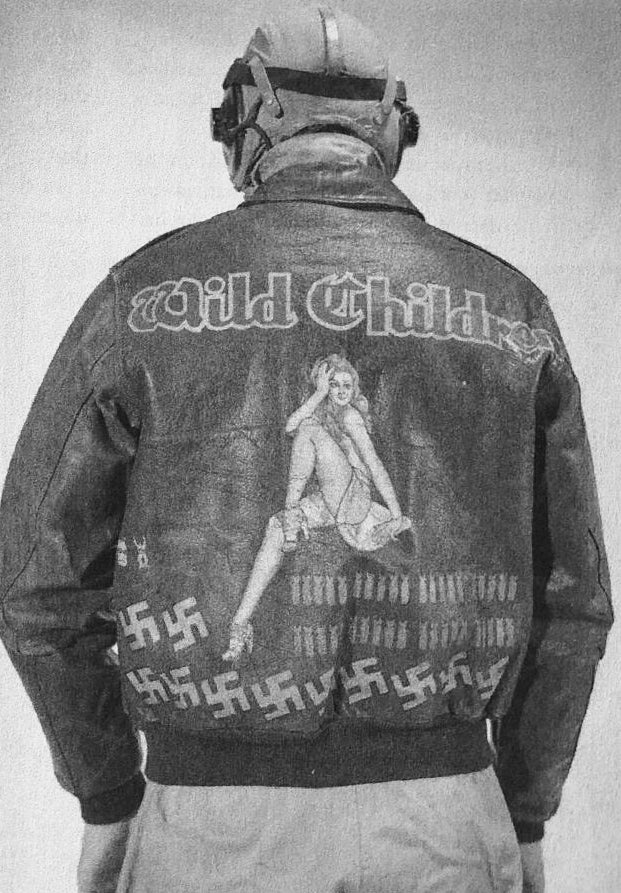
After the B-10 , which was the first fabric jacket adopted by the US Army Air Forces in 1943, a new model would leave a lasting mark on history: the B-15 aviator jacket .
Introduced in 1944 , it brought many practical improvements and served as the basis for a long line of pilot jackets, including the famous MA-1 .
The origin of the B-15
The B-15 jacket was designed to replace the B-10, which was still considered too close to a leather jacket in its spirit.
The new version was intended to be more functional, more durable, and better suited to the modern cockpits of World War II bombers and fighters.
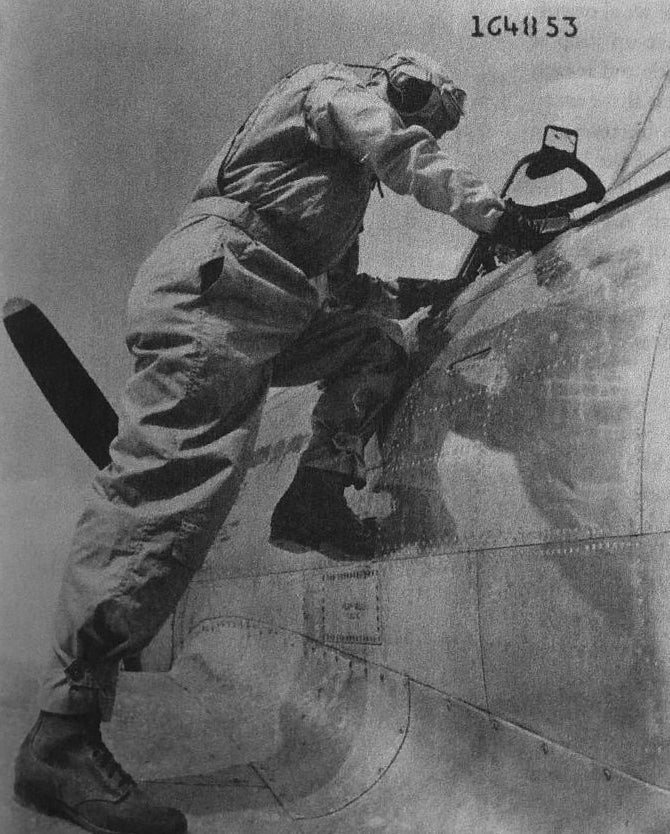
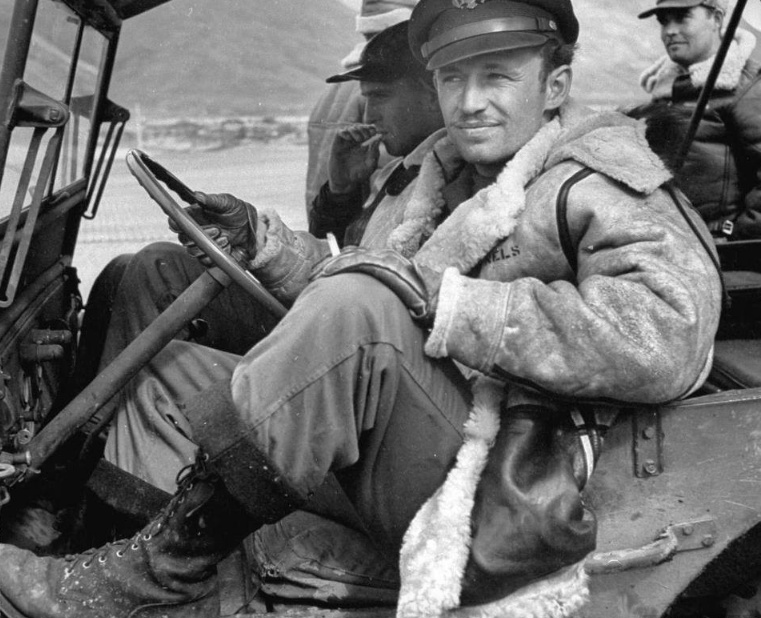
It was worn by USAAF pilots and crews from 1944 onwards, before becoming one of the most iconic jackets in American aviation.
The characteristics of the B-15 aviator jacket
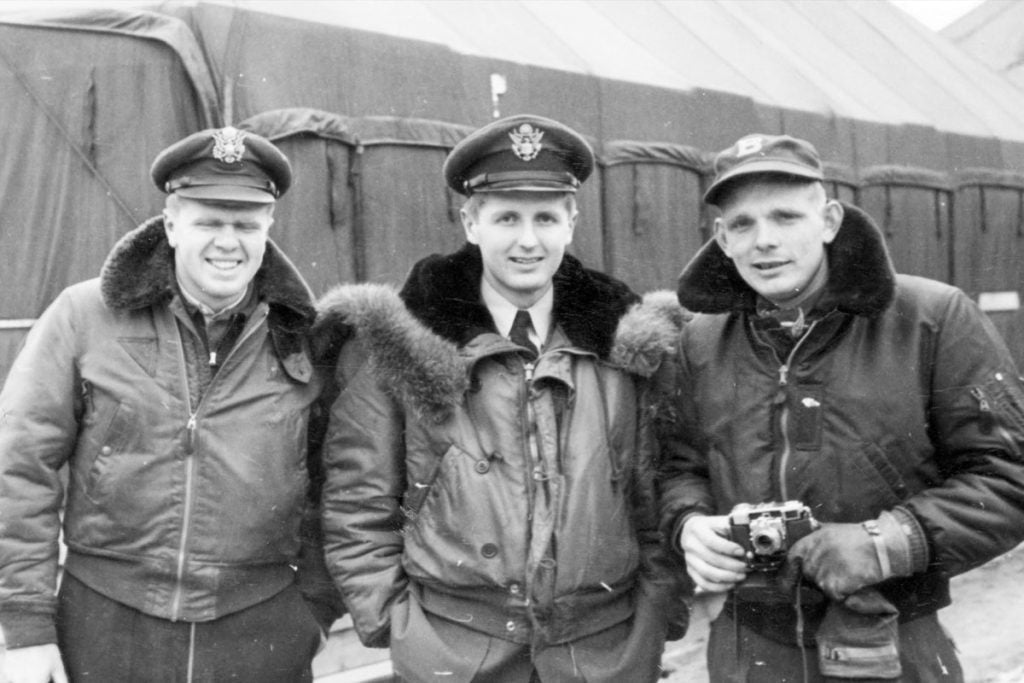
The B-15 retains the structure of the B-10 but introduces several notable innovations:
-
An outer fabric made of nylon or cotton twill , which is durable and lightweight.
-
A collar made of real fur (often sheep) , emblematic of the early versions.
-
A wool or alpaca lining , ensuring warmth and comfort at altitude.
-
Elastic knit cuffs and waist , typical of flight jackets.
-
Two functional and sturdy snap-fastened flap pockets .
-
Tabs on the chest designed to secure the oxygen mask and other equipment.
These details made it a more technical and better-designed jacket than its predecessors.
The different variants of the B-15
The B-15 underwent several evolutions after the war:
-
B-15A (1944-45) : first variant, with minor improvements.
-
B-15B (1946) : Modified wool lining.
-
B-15C (1950s) : outer fabric made of nylon, more durable and waterproof.
-
B-15D (1953) : last version with fur collar, before the arrival of the MA-1 , which would adopt a knitted collar.
Thus, the B-15 marks the transition between the fur-collared aviator jackets of World War II and the modern models of the US Air Force.
The B-15 in culture and fashion
Although the B-15 has less media visibility than the A2 or the G1, it remains a cult jacket among collectors and aviation enthusiasts .
With its vintage look, fur collar and functional cut, it is still being reissued today by specialist brands.
It also directly influenced civilian fashion, since the B-15 is the direct ancestor of the MA-1 bomber jacket , which has become a universal classic of urban fashion.
Conclusion: The B-15, a key milestone in the history of aviator jackets
The B-15 aviator jacket embodies the transition between leather military jackets and modern nylon bomber jackets.
Introduced in 1944, it successfully combined technical innovation, comfort and style , while laying the foundations for the bomber jacket we still know today.
Whether it's an original military jacket or a vintage reissue , the B-15 remains a must-have for all fans of US Air Force pilot jackets and aviation-inspired fashion.