The A-2 jacket: the story of an American aviation classic
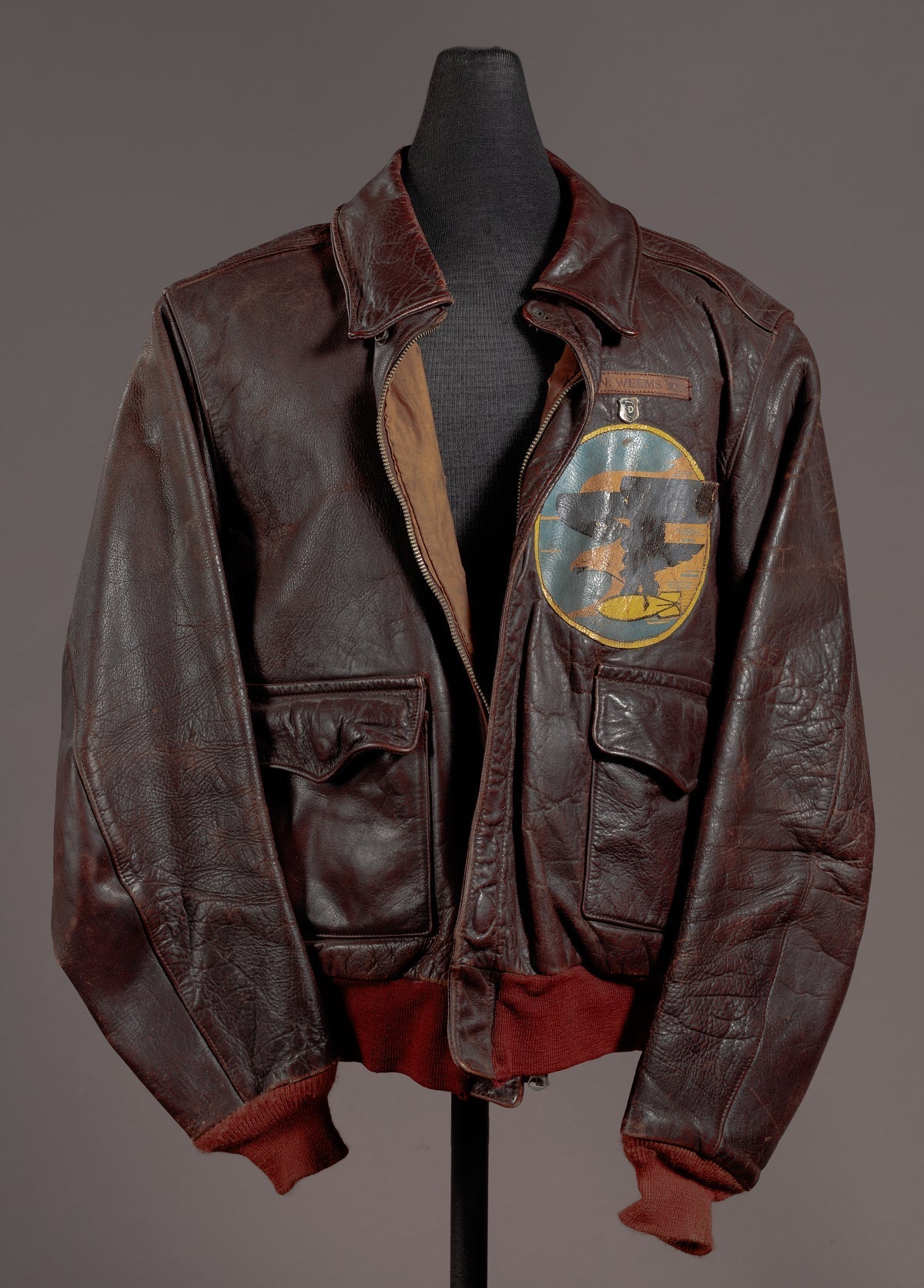
The A-2 jacket apparently appeared in 1931 , when the US Army Air Corps adopted this new model for its pilots. It succeeded the A-1 (1927), which was recognizable by its knitted collar and button closure. With the A-2, the silhouette changed: it featured a more elegant leather shirt collar and a more modern and practical front zipper for use in flight.

From its introduction, the A-2 distinguished itself by its robust construction. Made of leather—initially horsehide, then also cowhide and goatskin—it was lined with cotton and reinforced with wool ribbing at the waist and cuffs. Its two patch pockets with flaps added functionality, while the clasp at the neck allowed the collar to be closed to protect against the wind. The most common color was dark "seal brown," but some examples were delivered in lighter shades, known as "reddish-brown."
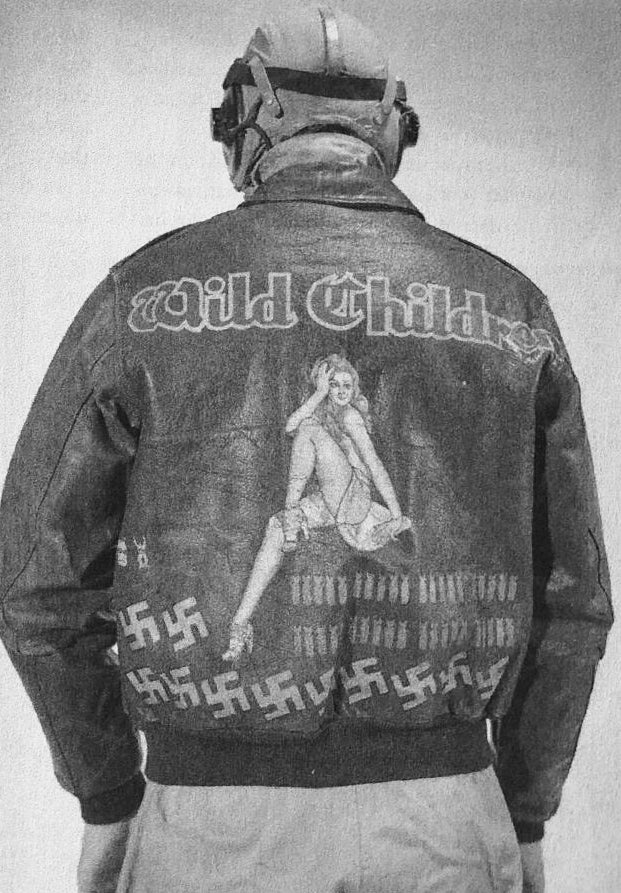
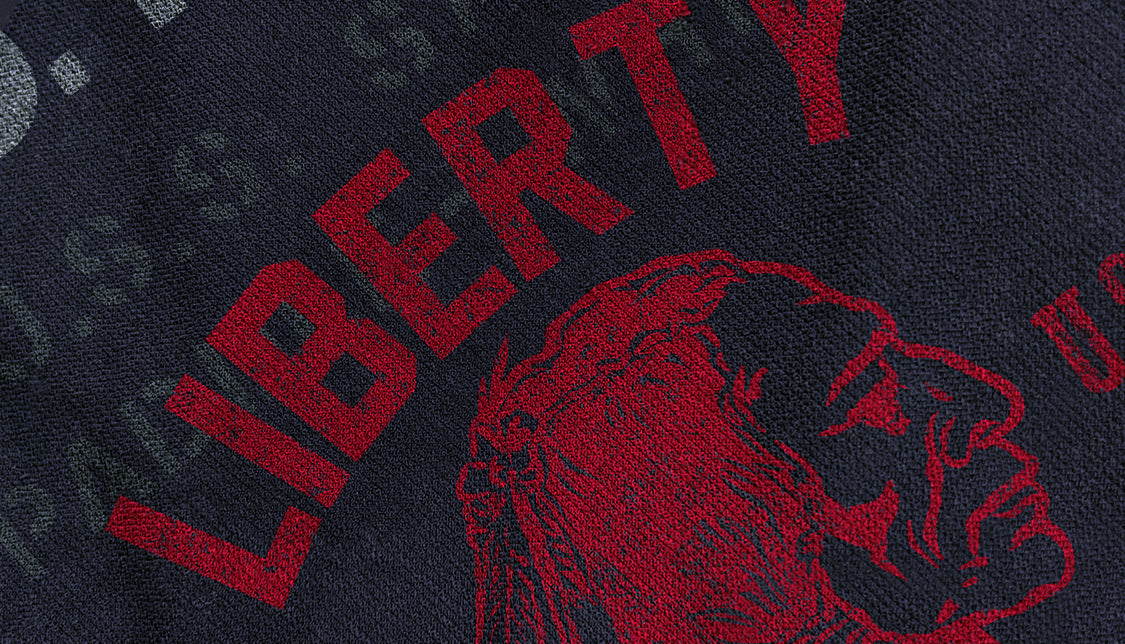
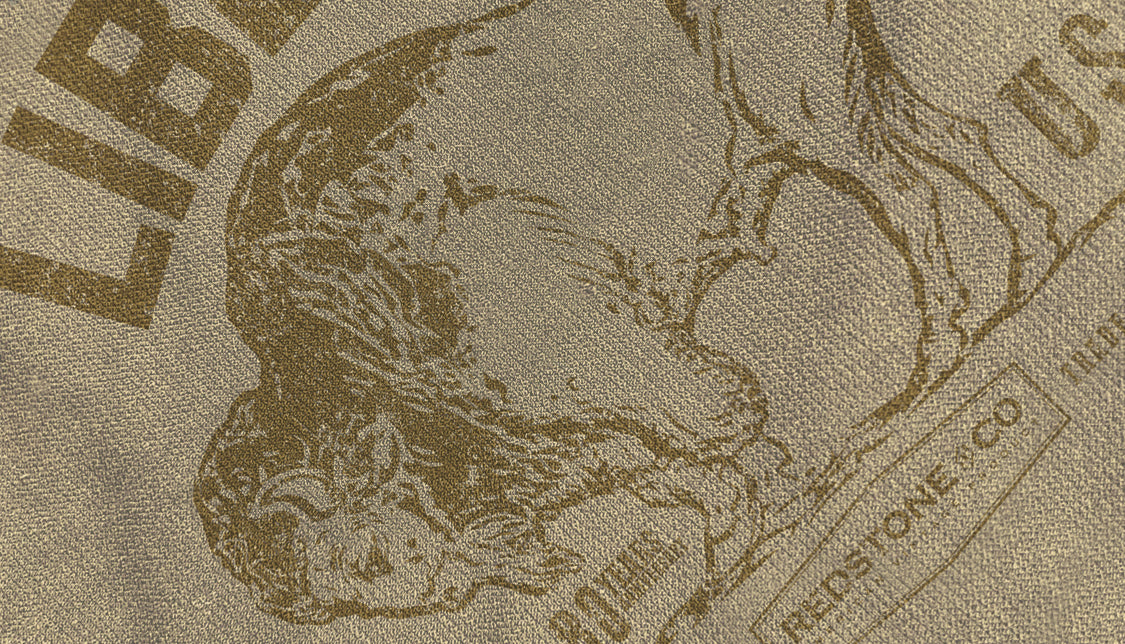
During World War II , the A-2 became much more than just a regulation garment: it transformed into a symbol of American pilots . Worn by bomber and fighter crews, it reflected their identity and esprit de corps. There were many ways to personalize it. Squadron patches were sewn on , and designs were painted on the back—pin-ups, mascots, aircraft, or bomb sets representing missions flown. In the Asia-Pacific theater of operations, some even featured a "blood chit" on the back , a piece of fabric printed in Chinese or other languages, intended to request assistance from local populations in the event of a forced landing.
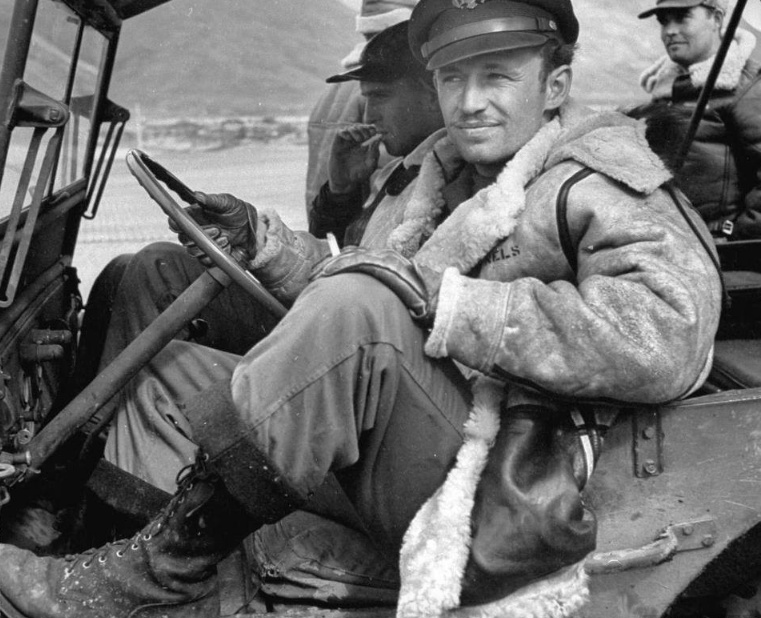
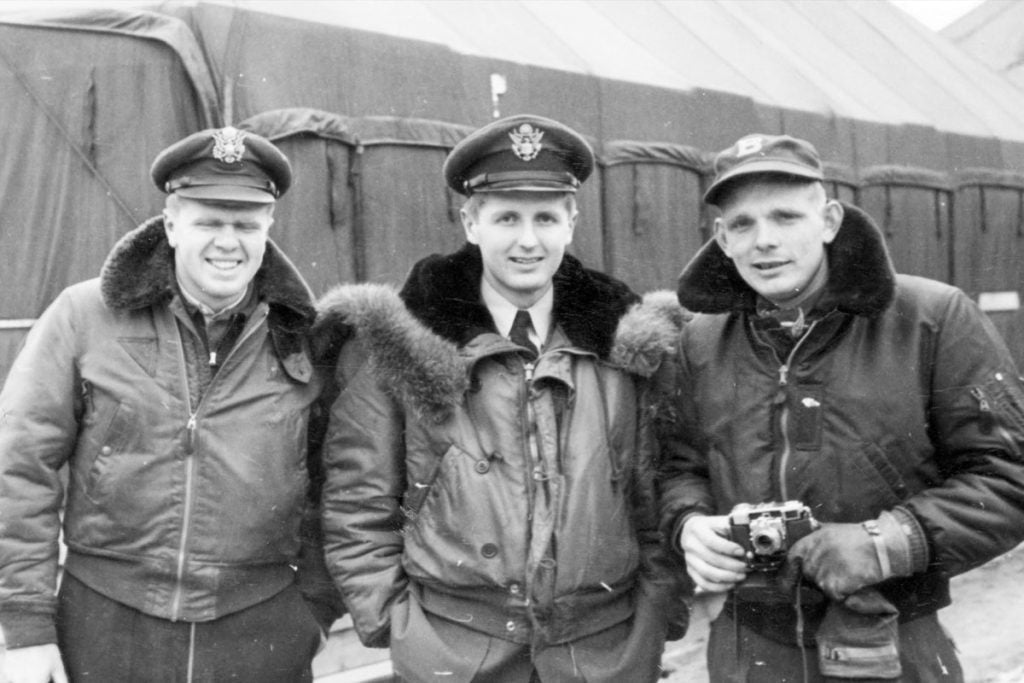
Despite its success, the A-2 was officially withdrawn from service in 1943. The USAAF deemed leather expensive and poorly suited to the new enclosed, pressurized cockpits. It was replaced by fabric models like the B-10 and B-15 , which were lighter and easier to mass-produce. However, many pilots continued to wear their A-2s until the end of the war, attached to this garment that embodied their wartime experience.

An anecdote illustrates this particular place well: the famous Doolittle Raiders , who carried out the raid on Tokyo in 1942, all wore the A-2 jacket. Some examples, decorated after the mission, are now kept in museums and testify to the symbolic importance of this garment.
In the post-war period, the A-2 remained etched in the collective imagination. More than just a military jacket, it became a cultural icon : at once a functional garment, a medium for personal expression, and a symbol of an era.