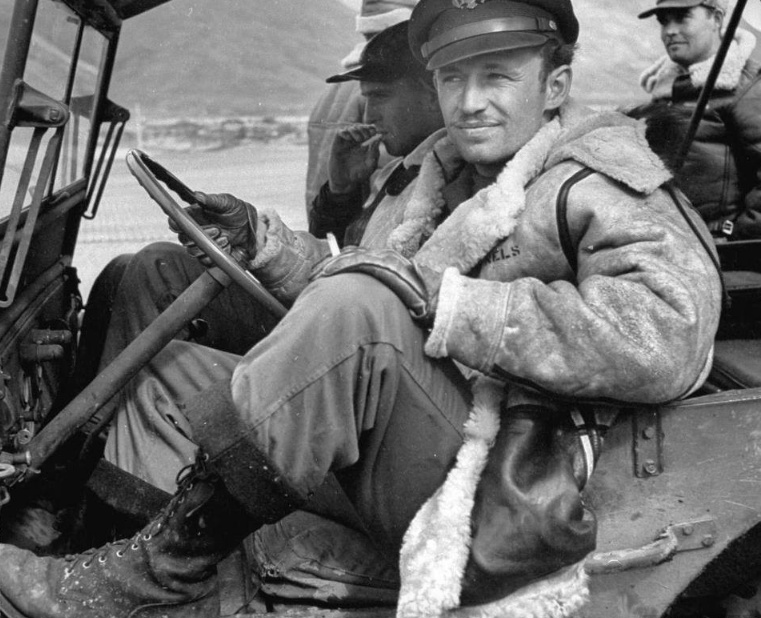
The United States Navy developed and deployed a variety of uniforms and equipment to combat the cold during the 1940s. Sailors often face the harshest weather conditions on the high seas, requiring durable, warm, and functional clothing. Winter jackets, commonly referred to as "deck jackets," gained popularity within the Navy during World War II and continue to attract collectors today.
Most deck jackets used during World War II evolved from a front-zippered design, closely resembling the "Tanker Jacket," the US Army's winter combat jacket. By the end of 1943, this deck jacket design was gradually replaced by a completely new one: the N-1.
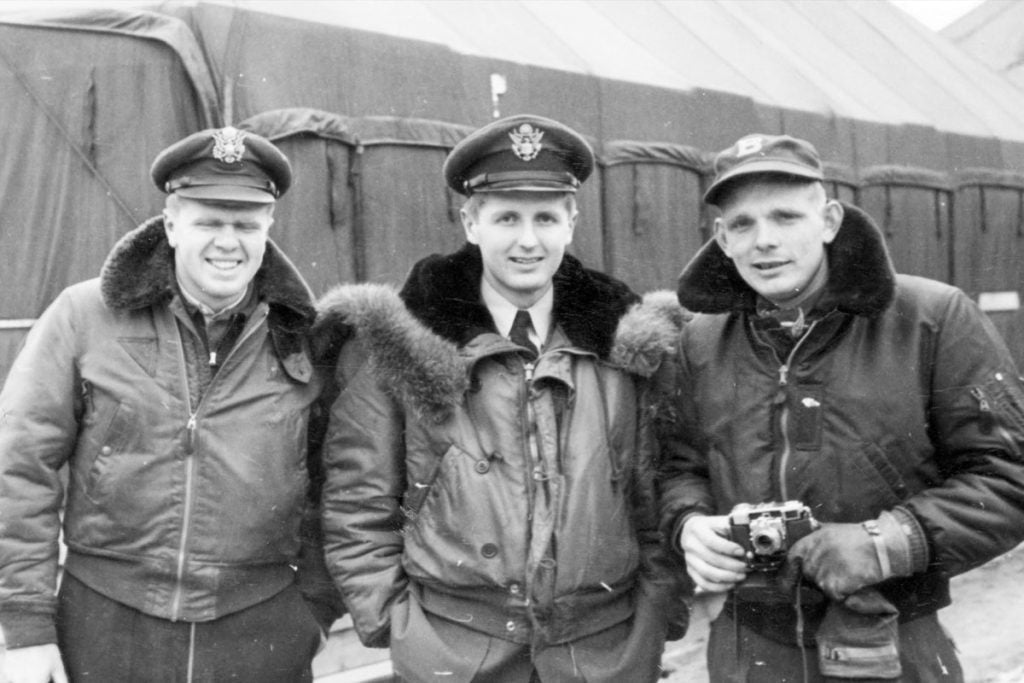
This brand-new design incorporated lessons learned from the first two difficult years of the war at sea. While the dark blue corded cotton outer shell remained the same, the lining was revised to be made of alpaca fur, providing optimal insulation. The body length was increased for greater protection against the elements. The knitted collar was replaced with an alpaca fur collar, and the knitted belts, exposed knitted cuffs, and patch pockets of the older jackets were eliminated, as they tended to snag on various objects or parts of the ship, causing tears. The cuffs were redesigned with a concealed knitted cuff inside the sleeve to prevent snagging while still offering wind protection. Additionally, the jacket's front closure was improved with the introduction of a zipper in addition to the buttons. A drawstring at the bottom hem replaced the previous knitted band, eliminating snagging problems. In addition, gussets under the armpits with ventilation eyelets have been integrated to offer greater freedom of movement and faster wicking of perspiration.
This new design was produced in limited quantities and for a short period before being replaced by a second version in a khaki shade (commonly called light olive) made from the same sturdy corded cotton fabric. The color change was intended to improve camouflage for US Navy personnel at sea and during landing operations. This khaki version of the winter deck jacket was made available in limited quantities in the spring of 1944, as evidenced by period photographs showing sailors wearing it.
After World War II, the deck jacket underwent further modifications, the most notable being a change in color from light olive to dark olive. Additional adjustments were made to the design before the jacket was finally retired from service in the 1960s, making the N-1 deck jacket one of the oldest and most iconic ever worn by the U.S. Navy. It's an American classic that retains its charm to this day, combining style, durability, and practicality. So, forget the standard jackets found in shopping malls and add a piece of 20th-century American history to your wardrobe—a garment that never loses its timeless appeal.