80 years of history for this jacket
The US Navy N1 deck jacket is an outerwear item with a history spanning nearly 80 years. Its design, functionality, and style remain relevant today, making it a wardrobe staple. However, with all the reproductions and reinterpretations we see, we often forget its significance. This key piece deserves its place among the greats, thanks to its remarkable history.

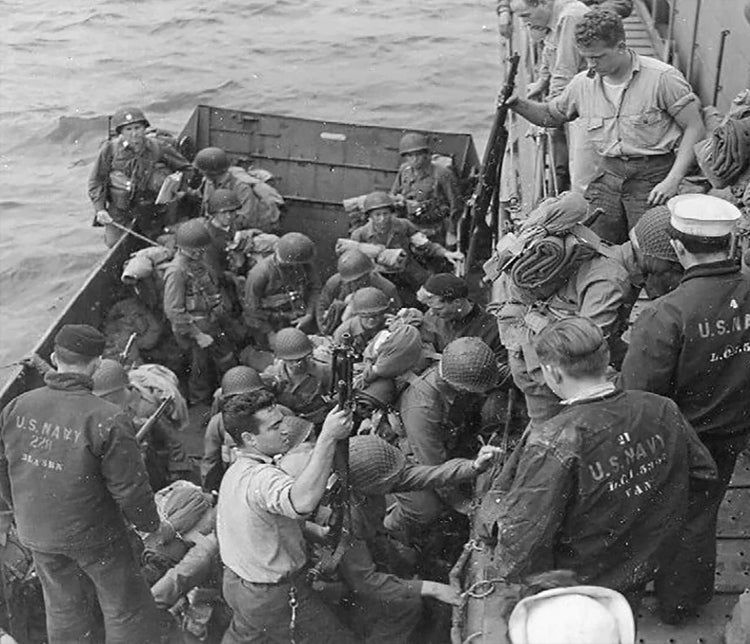
In the 1930s, the U.S. Navy had not seen any significant development in its uniforms for years, despite a period of economic slowdown and depression. Late for an overhaul that coincided with the global scale of World War II, the U.S. Navy took the opportunity to develop three distinct clothing systems for different environments: cold weather, wet weather, and tropical weather. The cold-weather uniform, designated N1, was the most popular and was used by U.S. sailors throughout World War II.


The N1 system, developed in 1943, comprised the famous N1 deck jacket, bib overalls, and a soft "helmet" with a pointed front. All the pieces could be worn independently or combined with other uniform items as needed. The N1 deck jacket was the centerpiece of the system, made from a durable outer shell of "jungle cloth" combined with a warm alpaca lining. Jungle cloth is a durable fabric similar to corduroy. It changed very little during the war years and is a dull light olive or "khaki" color.

The jacket featured a drawstring skirt, windproof cuffs, and a concealed chin strap collar. It was hip-length with two side pockets, and the warmth of the alpaca collar gave the jacket its iconic profile. A black stencil on the left chest displayed "USN" in bold 3-inch letters, indicating the wearer was a member of the primary combat force. A white label inside the neck listed the garment's official nomenclature, including a contract date and size.
The N1 deck jacket is a garment that has saved many a sailor from the harshness of the natural environment, whether at sea or on land, thanks to its ability to provide warmth and comfort. It became a second skin for US Navy sailors. Thanks to its perfect design, it was worn for many years after the end of World War II. An earlier version of the jacket existed in navy blue, but it was quickly replaced by its khaki counterpart, which is highly sought after by collectors.