Hook Deck Jacket - US NAVY
US Navy hook-and-loop deck jacket
A US Navy deck jacket dating from World War II. During the conflict, the US Navy conducted operations on all fronts, from the tropical waters of the Pacific to the icy storms of the North Atlantic. Early in the war, a specially designed blue jacket was introduced for sailors performing exposed outdoor duties.
The first model had a zipper, which proved difficult to operate and could become unusable in freezing temperatures. In 1943, an improved version with a hook-and-eye closure was introduced, offering greater ease of use, especially when wearing gloves. As the war escalated in 1944, with massive landings in Europe and the Pacific, the blue color was gradually replaced by khaki, providing better camouflage in the field.
This hook-and-eye deck jacket features a white stencil "US NAVY" inscription across the upper back. It retains its original knitted cuffs, navy blue wool collar and belt, and blackened metal hooks. The slanted front pockets are practical, and the interior is lined with navy blue Melton wool.


Since its creation in October 1775, the United States Navy has experienced spectacular growth. From the naval battles of the Civil War to the campaigns of the Spanish-American War, it established itself as an indispensable force in the early 20th century. Under the Roosevelt administration, the United States Navy became the second-largest naval force in the world, second only to the British Royal Navy. However, while American naval power was increasing, the uniforms of its sailors remained relatively traditional. Work clothes had not yet benefited from textile advancements and remained heavily influenced by older styles.
Before World War II, the pea coat was the essential garment for sailors to protect themselves from the cold. Its simple and functional design has hardly changed since its earliest versions. Made of thick navy blue wool, it featured a double row of buttons, two chest pockets, a fold-down collar with a strap closure, and a brown corduroy lining. Its elegant and practical appearance made it a garment of choice for sailors.
In the 1930s, when the navy had seen little change in uniforms, World War II necessitated a complete overhaul of military attire. Three distinct clothing systems were developed: one for cold weather, one for inclement weather, and one for tropical climates. With ships operating from the Pacific to the Atlantic, adapting uniforms to different environments was essential.


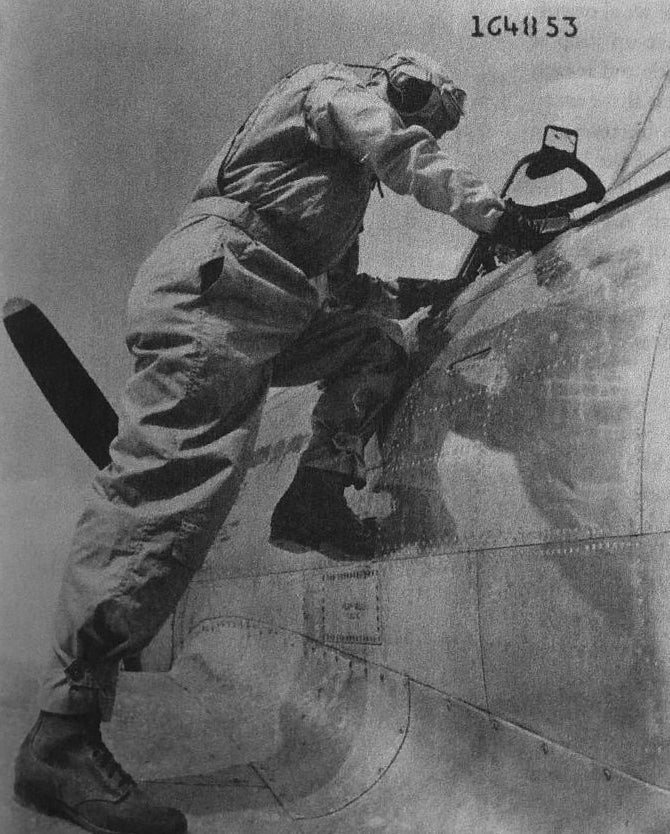
The N1 system, introduced in 1943, consisted of a deck jacket, overalls, and a soft helmet with a visor. Each piece could be worn alone or in combination with other uniform items. The helmet was marked "USN" on the back and had a chin strap, while the overalls provided extra insulation against the biting cold. However, due to its impracticality, the overalls were rarely worn continuously, unlike the N1 jacket, which quickly became indispensable.
This jacket was made of "jungle cloth," a durable fabric similar to corduroy but without the raised ribs. Light olive in color, it was lined with alpaca wool for optimal insulation. Its design was so effective that it remained virtually unchanged throughout the war and continued to be worn long after the conflict ended.
An earlier version existed in navy blue, but it was quickly replaced by the khaki version. Highly sought after by collectors today, the blue N1 jacket is extremely rare, as it was produced in limited quantities and for a short period. It featured an adjustable drawstring waist, windproof cuffs, and a collar with a concealed chin guard.
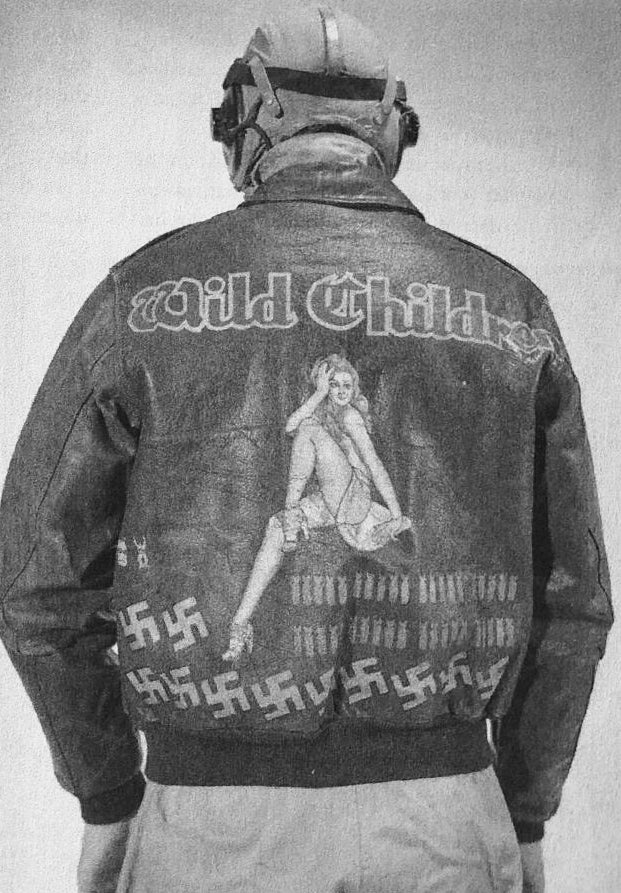
Upon its distribution, the N1 jacket featured a black "USN" inscription on the left chest, along with a white label indicating the manufacturing contract and size. Sailors often personalized their jackets by adding painted designs or markings commemorating their assignments and ports of call.
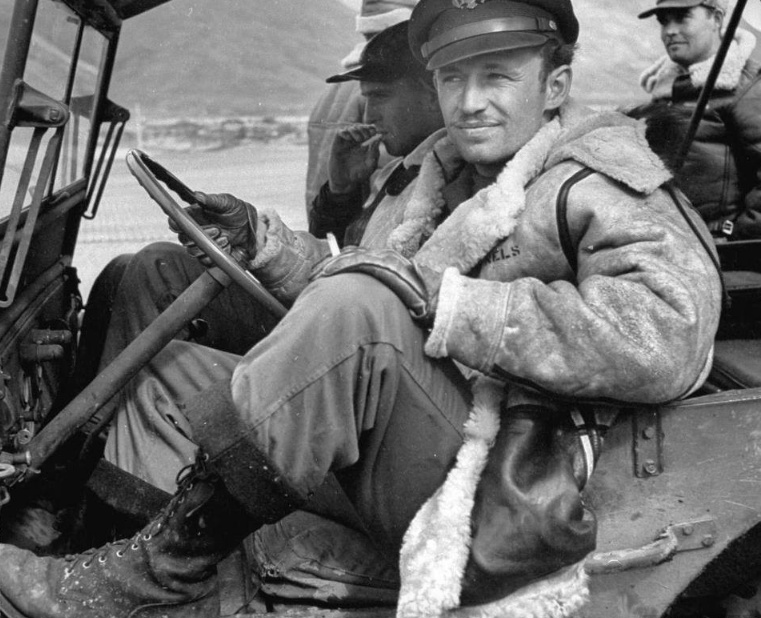
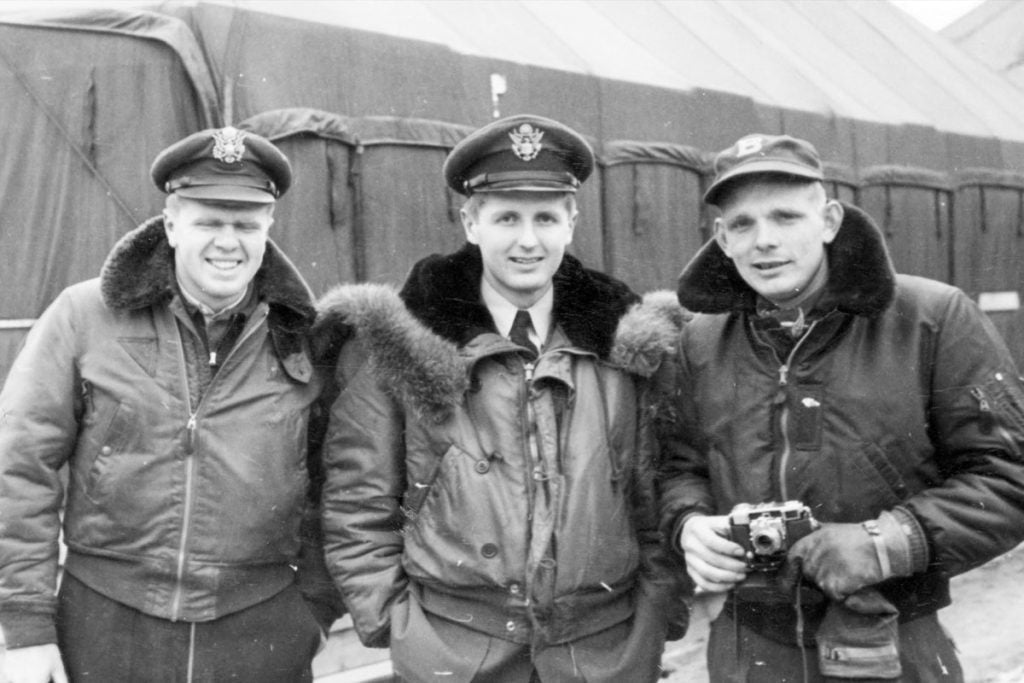
The N1 jacket was worn in all theaters of operation, in Europe, the Mediterranean, and the Pacific. Used by aircrew, engineers, and coastal patrols, it established itself as a functional garment both on land and at sea. Its timeless design and robustness made it a popular garment well into the 1950s and 1960s, long after its official replacement by other models.