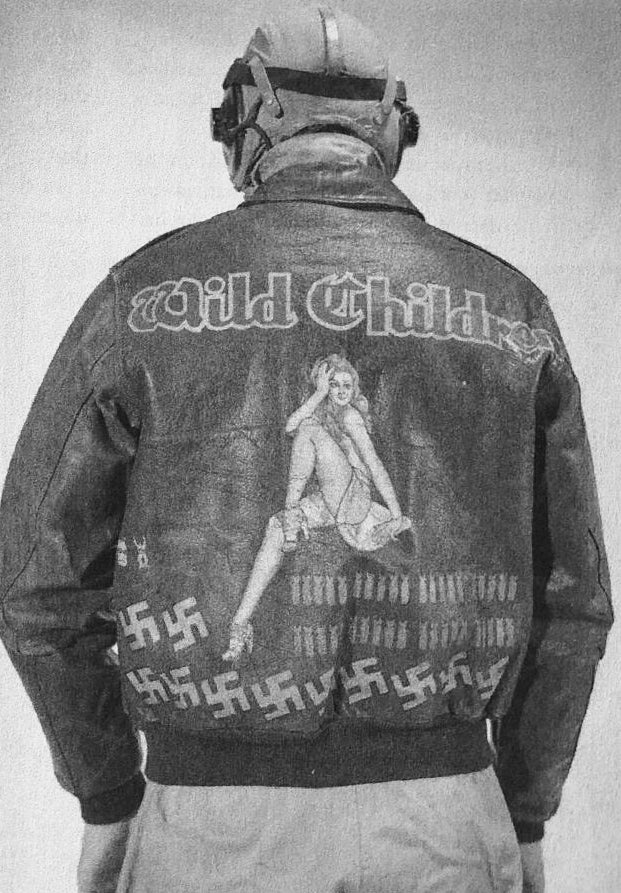
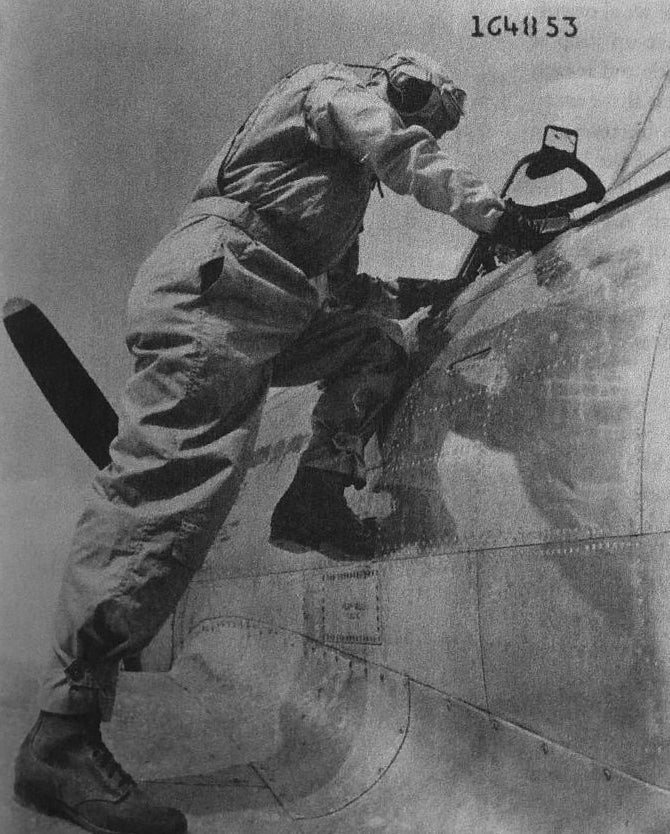
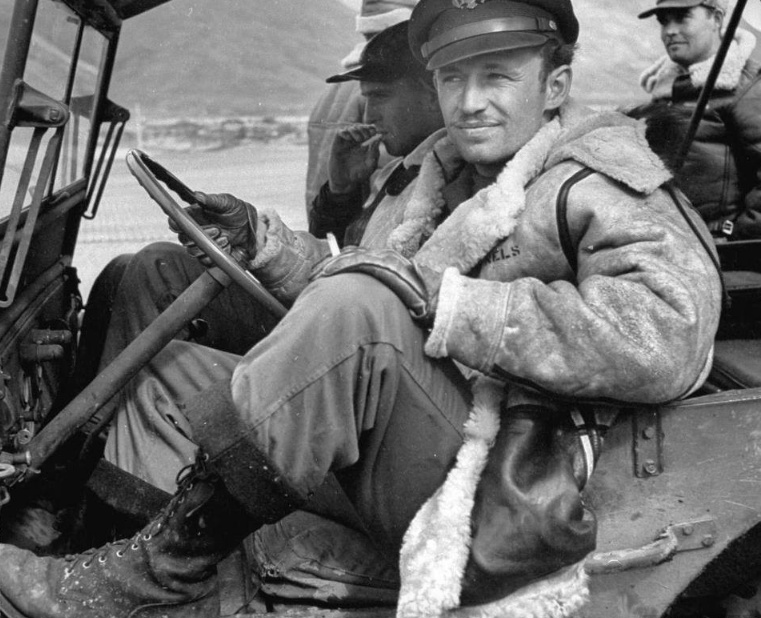
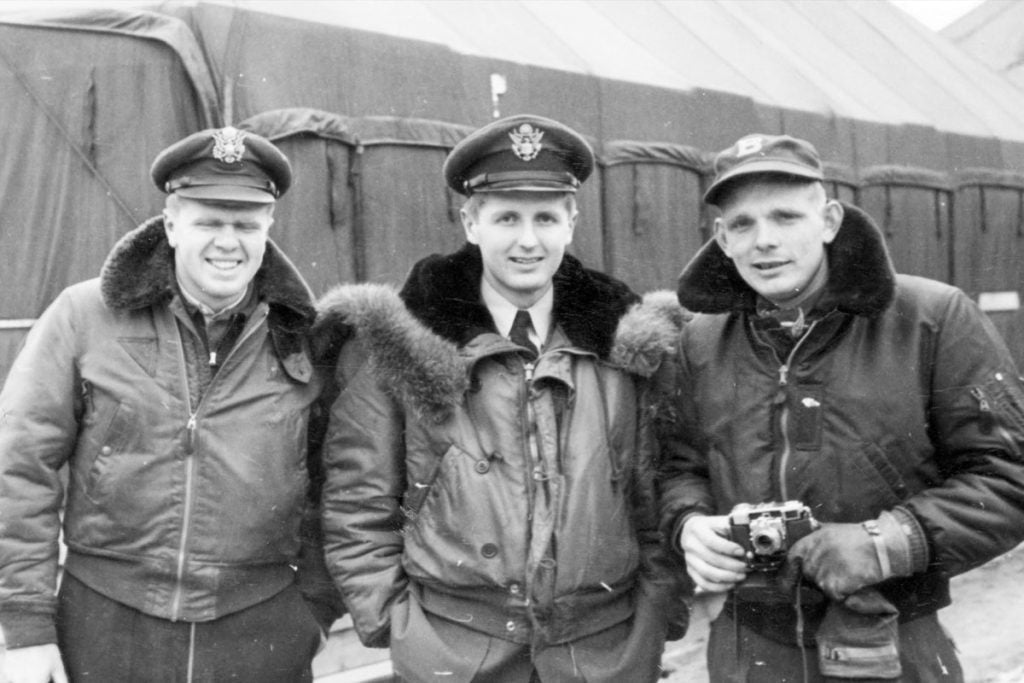
During the economic downturn and depression of the 1930s, the Navy had seen little modernization of its uniforms for many years. It wasn't until the outbreak of World War II that the U.S. Navy finally undertook a redesign, taking the opportunity to develop three distinct clothing systems for different environments: cold, wet, and tropical. With ships stationed everywhere from Dutch Harbor to Oahu, and from the North Atlantic to the Mediterranean, each type of environment required a suitable uniform.
The N1 system, developed in 1943, comprised the now-famous deck jacket, bib overalls, and a soft "helmet" with a pointed front. Each of these pieces could be worn independently or combined with other uniform items as needed. The bib overalls were designed in a traditional workwear style and were heavily insulated, while the helmet featured a bold "USN" stamp on the back of the neck, as well as a chin strap and a pointed front.

Based on photographic evidence and historical research, it is clear that the cold-weather uniform, commonly known as the N1, was the most popular uniform used by American sailors during World War II. This N1 system protected sailors from biting winds and freezing temperatures, and saved many a sailor from the harshness of the natural environment, both at sea and on land.