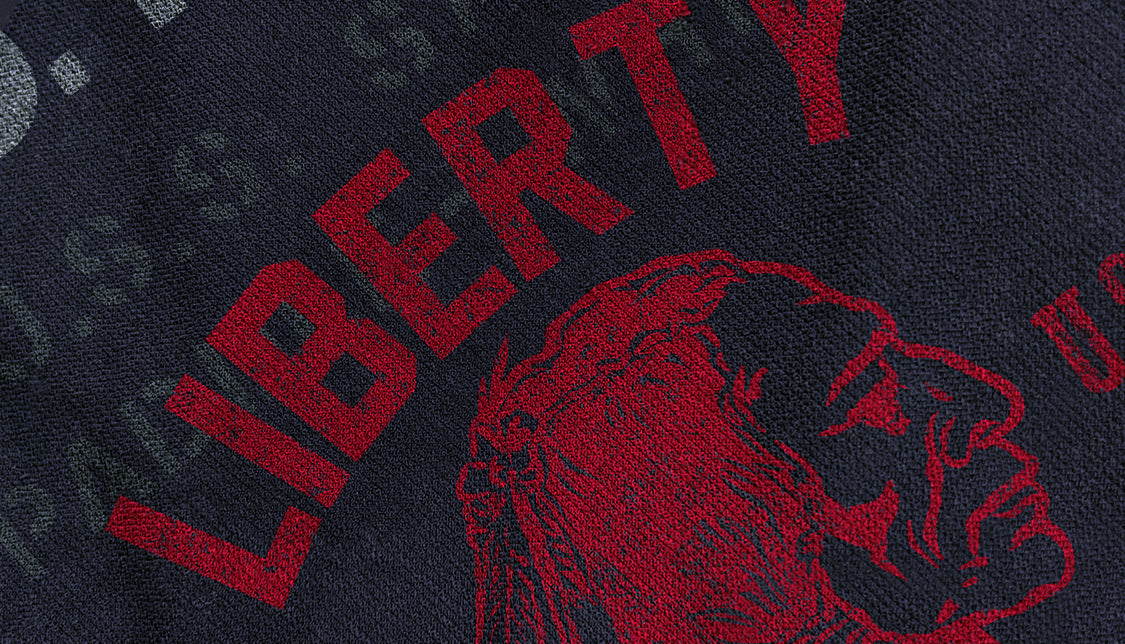
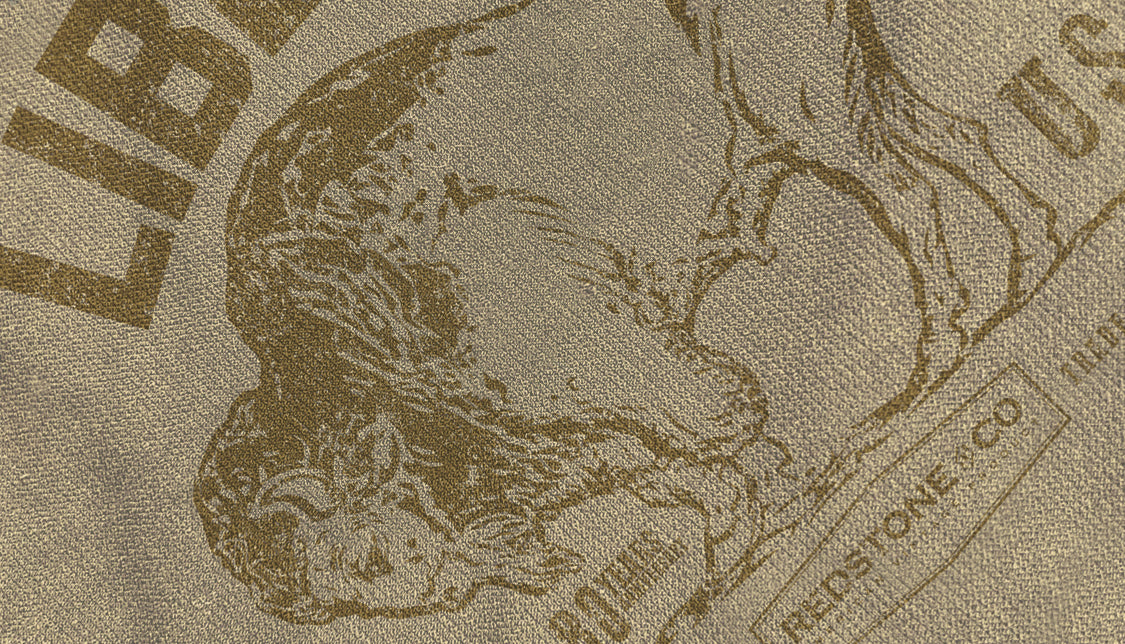
B-10 Aviator Jacket: The USAAF's first fabric pilot's jacket
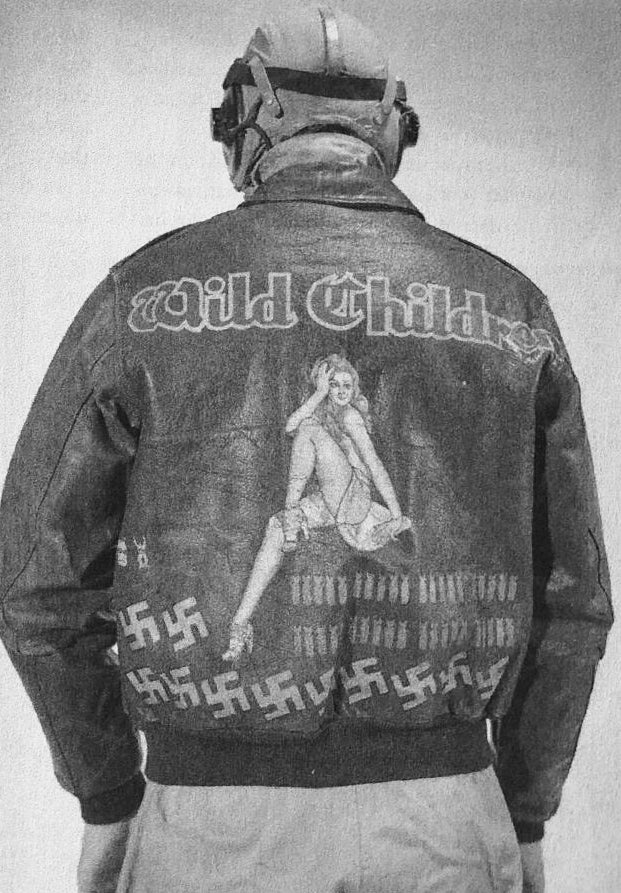
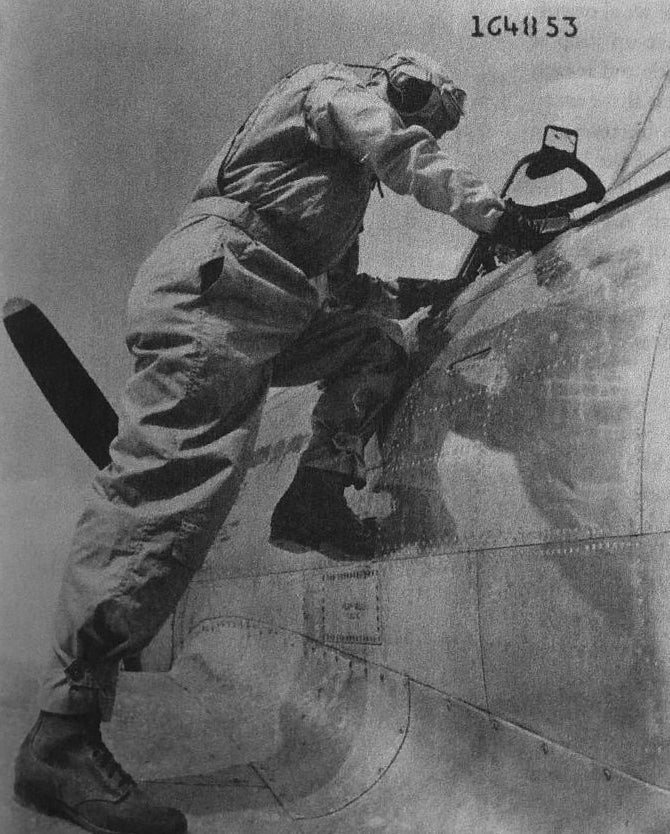
When we think of pilot jackets , we often imagine the iconic leather of the A2 or G1. But in the middle of World War II, a major change occurred: the appearance of the B-10 aviator jacket , the first standard fabric jacket adopted by the USAAF (United States Army Air Forces).
Less known to the general public, the B-10 nevertheless marks a true revolution in the history of military jackets.

The introduction of the B-10 jacket
The B-10 jacket was introduced in 1943 to replace the A2 leather jacket, which had become expensive and difficult to mass-produce. The US Army was looking for a more practical, lightweight alternative suited to the needs of pilots deployed on multiple fronts.
The B-10 met these expectations: made of fabric, it was simpler to produce and offered a different level of comfort than leather.
The features of the B-10 jacket
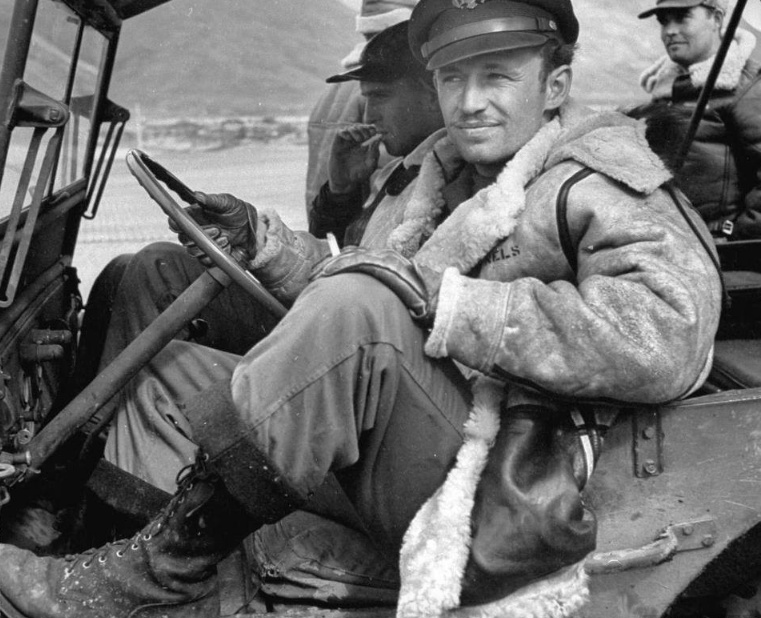
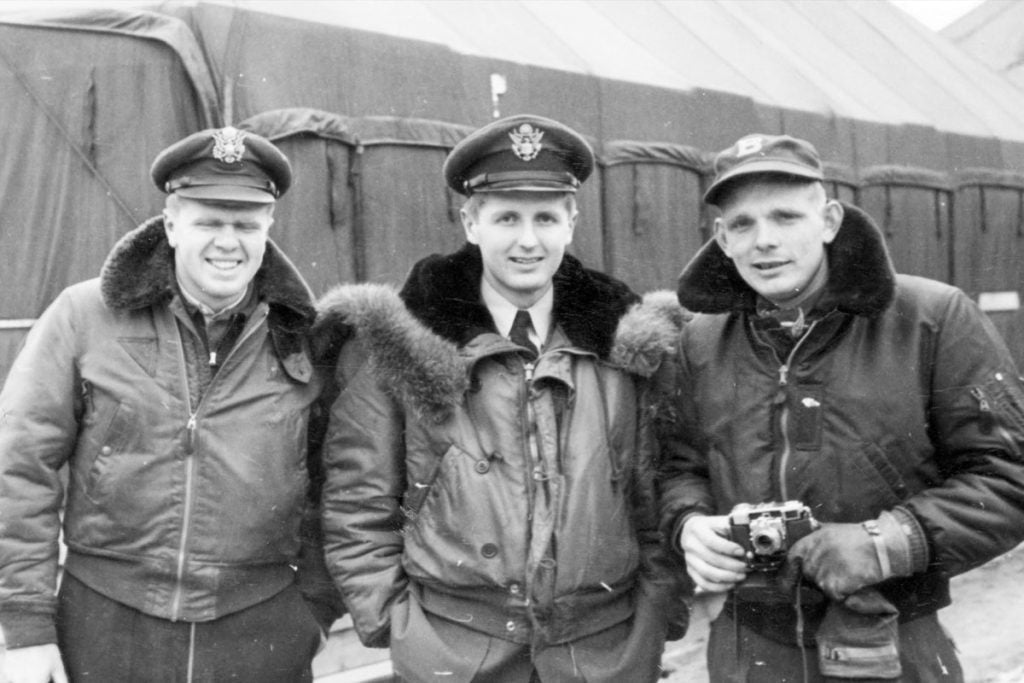
The B-10 aviator jacket is distinguished by several features:
-
An outer fabric made of cotton (often cotton twill), robust and resistant.
-
An alpaca or wool lining to protect against the cold at altitude.
-
A fur collar (sheep or synthetic sheep) , providing warmth and comfort.
-
Elastic knit cuffs and waist , characteristic of flight jackets.
-
Two large patch pockets with flaps , practical for pilots.
More functional than leather, the B-10 was a modern solution for the changing flying conditions of World War II.
The B-10, ancestor of the US Air Force's fabric jackets
The B-10 jacket remained in service for only a short time: as early as 1944, it was replaced by the B-15 , a more advanced model with a more elaborate fur collar and modernized details.
However, the B-10 paved the way for a whole line of fabric aviator jackets , including the famous MA-1 which would mark the Cold War and contemporary fashion.
We can therefore say that the B-10 was a transitional piece , between traditional leather jackets and more technical textile jackets.
The B-10 jacket today
Original B-10 bomber jackets are rare and sought after by collectors. Their fragility due to the fabric makes their state of preservation precious.
Fortunately, several specialist brands offer faithful reissues of the B-10, respecting its materials and historical design.
With its retro look and comfort, the B-10 appeals to both lovers of military authenticity and vintage fashion enthusiasts.
Conclusion: The B-10, a quiet but decisive revolution
The B-10 aviator jacket may not have the same renown as the A2 or G1 jackets, but its importance is paramount. The first fabric jacket of the USAAF, it paved the way for a new generation of military pilot jackets .
Even today, the B-10 remains a symbol of World War II clothing innovation, and an essential piece for any enthusiast of historical aviator jackets .