The evolution of aviator jackets: from military jumpsuits to iconic bomber jackets
Historical context: the origin of the pilot jacket
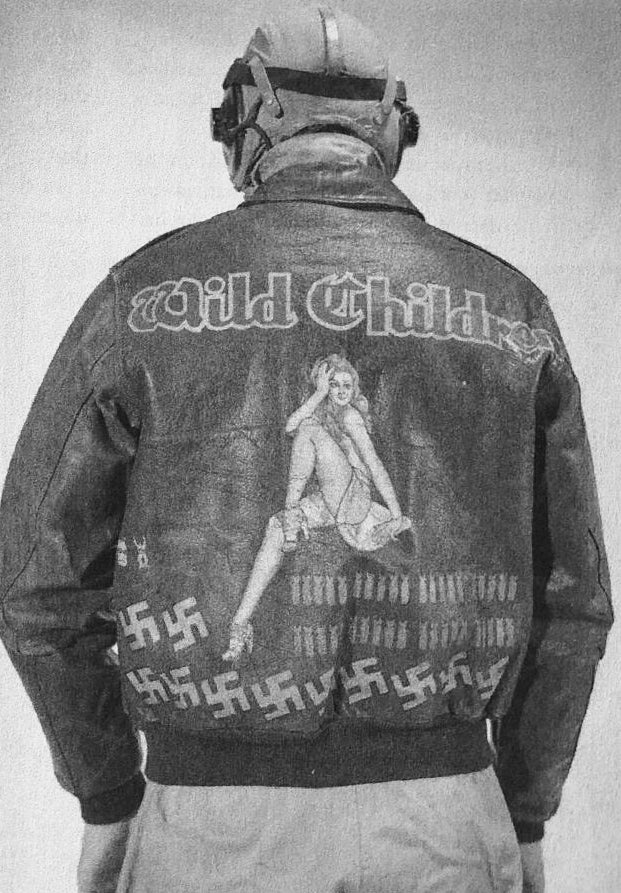
During the interwar period, the design of cold-resistant aviation clothing became a top priority for military engineers. The need was simple: to protect USAAF pilots from extreme temperatures at high altitudes. Inspired by Arctic clothing and motorcycle gear, the first models laid the foundation for the modern aviator jacket .


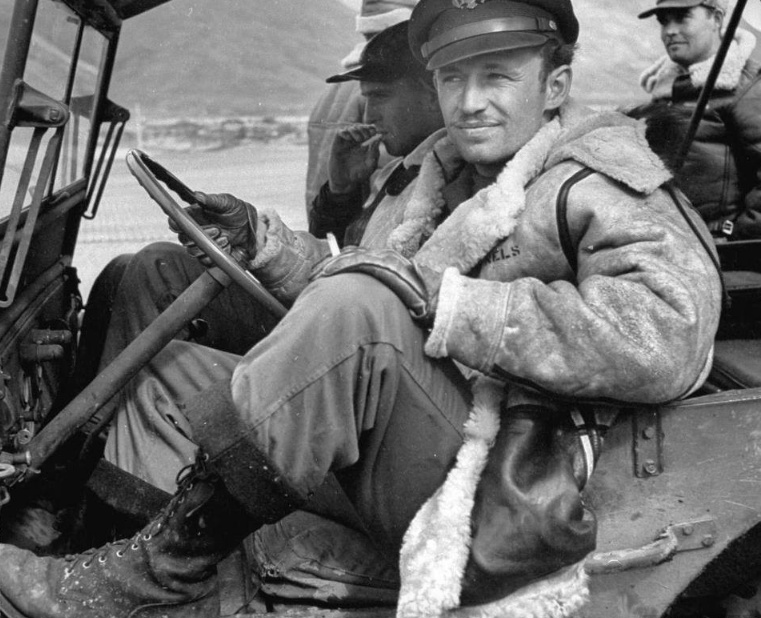
In 1934, US Army Air Corps aviators began wearing their first winter sheepskin uniform. This consisted of a B-3 pattern jacket with a stand-up collar, matching A-3 trousers, probably a BS-type helmet, A-5 boots, and A-9 gloves. The garment was divided into two parts to facilitate adjustment to different body shapes and offer greater freedom of movement.
In 1941, a model of shearling winter trousers, type A-6, was designed in the style of plus-four knickers as part of the development of the so-called "Alaskan Suit." The example shown here has a raw finish, without any waterproofing treatment.
(Archive photo: SI A4864J)
An airman assigned to a B-17 is shown here equipped with a complete winter flight kit: AN-H-16 helmet, AN-J-4 jacket, AN-T-35 pants, A-9 gloves and A-6A boots.
The birth of the first sheepskin jumpsuits
The use of furs and electric heaters
Between 1917 and 1918, one-piece models were developed, combining sturdy leather, thick wool, and sometimes even integrated heating systems. These efforts aimed to improve the thermal comfort of pilots in flight, although heated solutions remained unreliable.
The use of imported fur
Due to a shortage of quality furs in the United States, the army turned to imports from China, particularly dog pelts from Nuchwang. These materials were used in the first B-1 jackets , nicknamed "Monkey Suits," until their withdrawal in 1931 for reasons of hygiene and odor.
1920s-1930s: Innovation continues
Sheepskin as a sustainable alternative
From 1923 onwards, woollen fur became a preferred solution. Initially used as a lining, it was later adopted for the entire garment. Hybrid outfits, such as the combination of a B-1 jacket and A-1 trousers, emerged.
The B-2 model: between leather and exotic fur
Another notable model was the B-2 jacket , covered in leather or Bedford cloth and lined with South American nutria fur. Produced from 1926 to 1944, it was available with various linings, including a blanket.
The arrival of calfskin leather and knitted velvet
To reduce costs, the army tested calfskin leather and fabrics like knitted velvet. In 1928, the B-7 coverall became standard. Despite their lightness, these models lacked thermal performance.
1934: The shearling revolution and the advent of the B-3
The reindeer skin vs. sheep debate
In 1934, a debate arose between those in favor of Alaskan reindeer hide and those advocating sheepskin. The latter was ultimately adopted for its thermal qualities and greater availability.
The B-3 jacket: a legend is born
Tested at Wright Field, the B-3 aviator jacket is distinguished by its two-material construction: acid-treated leather on the outside, thick wool on the inside. The A-3 trousers complete the iconic USAAF uniform .
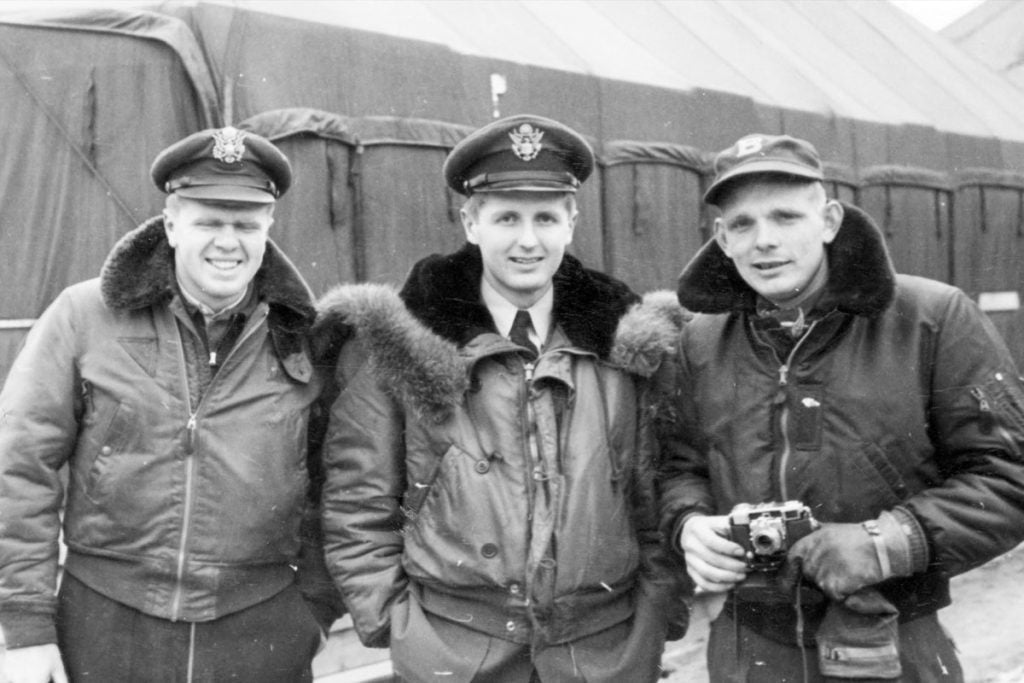
 A photograph dating from around 1942 shows crew members of a Curtiss C-46 transport aircraft. The man on the left is wearing a B-6 sheepskin jacket and a white silk scarf. The two men in the center and on the right are wearing B-3 jackets. The man on the right is equipped with a T-30 throat microphone and an HS-33 headset with ANB-H-1 earphones. All appear to be wearing B-1 flight caps.
(Archive photo: SI 77-5816)
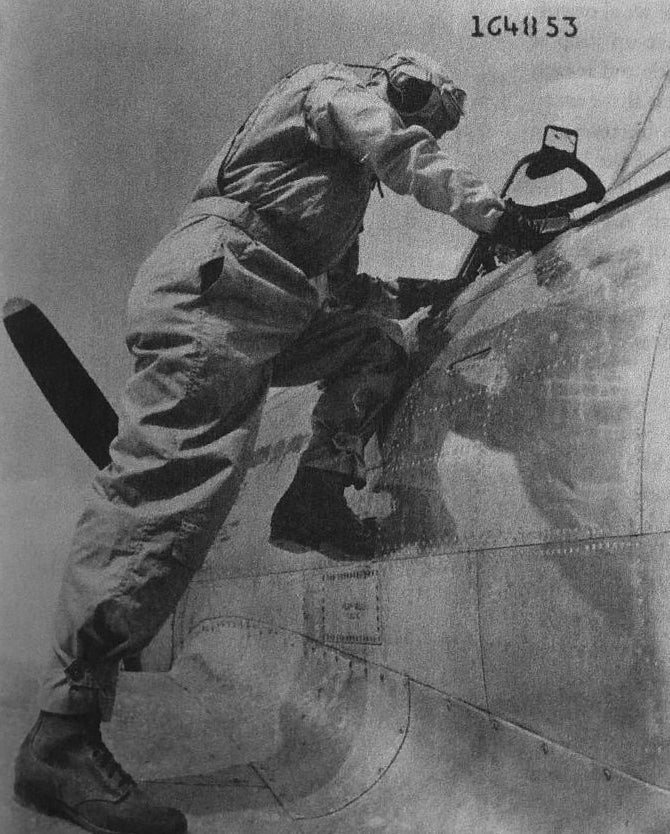
 Aboard a B-17 bomber, an airman wears a sheepskin suit which, while effective against extreme cold, was known for being bulky, stiff, and heavy. He is seen using a portable oxygen cylinder, nicknamed the "walking bottle," essential for moving around at altitude. Combined with the A-10 mask, this cylinder provides between four and eight minutes of oxygen depending on the exertion and altitude. He is also equipped with A-9 gloves and B-7 goggles.
(Archive photo: SI 80-20357)
Technical modernization of pilot jackets
Leather treatment: the Korsseal solution
In order to waterproof the leather, a process based on polyacrylate dye was introduced in the 1930s. This made pilot jackets more resistant to water, oil and gasoline.
New, lighter versions for the 1940s
In 1939, the B-6 model was introduced: lighter, more flexible, and designed for enclosed cockpits. Other variants were tested (B-5, A-4) with wool-knit blends and ergonomic cuts.
Limitations of shearling models and alternatives considered
Too important for active pilots
Cold chamber tests in 1940 revealed that sheepskin clothing hindered mobility. The result: a call for more practical heated and multi-layered models.
Explosion in demand after Pearl Harbor
In 1941, the army's need for sheepskin exploded: 118 million square feet were needed between 1942 and 1944. Logistical constraints forced a rethinking of stocks and production.
Transition to fabric: the predicted end of all-leather
In 1942, General Arnold publicly rejected leather jackets, calling for more modern materials. The British followed suit, abandoning leather and shearling in favor of textile techniques.
The Alaskan Suit and testing in extreme environments
The "Alaskan Suit," consisting of the B-7 jacket and A-6 pants, was tested in polar conditions. While effective against the cold, it was deemed too stiff. Layered wool or alpaca suits with a windproof layer were recommended.
Conclusion: the aviator jacket, an icon that remains relevant today
Even today, the USAAF pilot's jacket remains a symbol of ruggedness and military elegance. Each vintage or period-inspired model tells a unique story. For aviation, fashion, or heritage enthusiasts, the combat jacket remains a key piece to own.